Why 8-Day Kilimanjaro Climbs Have Become So Popular
More travelers now choose longer Kilimanjaro itineraries instead of short summit attempts. The reason is simple. More time on the mountain usually means a better climbing experience.
Altitude affects every person differently. A strong hiker can still struggle near the summit if the body does not adapt well. Eight-day itineraries solve part of that problem by allowing slower altitude gain and better recovery between camps.
Many guides recommend eight days for first-time climbers because summit success rates are generally higher than shorter routes. The body gets more time to adjust to thinner air before summit night.
Travelers also enjoy the experience more when the pace feels manageable. Instead of rushing between camps, hikers can focus on the landscapes, mountain atmosphere, and daily progress.
The extra days also reduce physical stress. Kilimanjaro is not a technical climb, but long hiking hours and high altitude still challenge the body.
For many travelers, an 8-day climb becomes less about speed and more about the full journey across the mountain.
Understanding the Lemosho Route
The Lemosho Route is one of the most recommended paths on Kilimanjaro. It combines scenic landscapes, quieter starting trails, and strong acclimatization conditions.
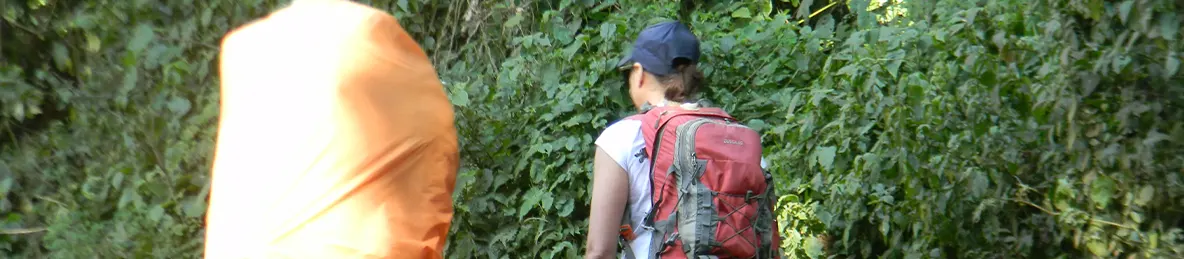
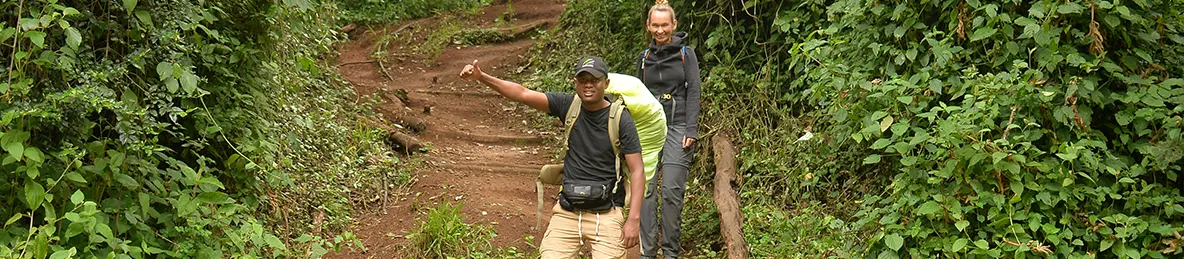
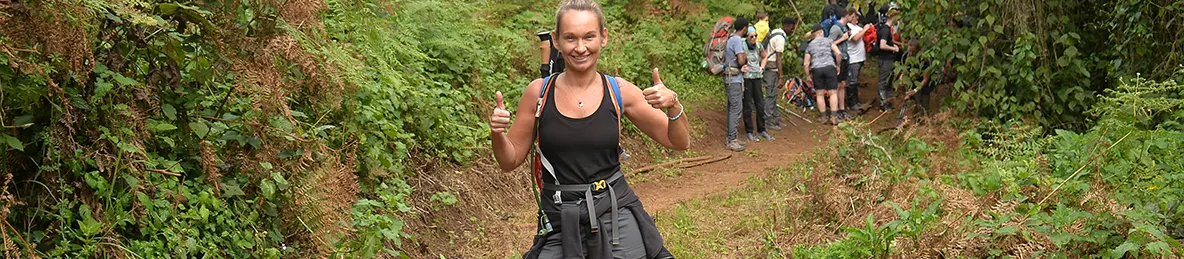
The route begins on the western side of the mountain. Early hiking days pass through rainforest filled with thick vegetation, birds, and occasional monkey sightings.
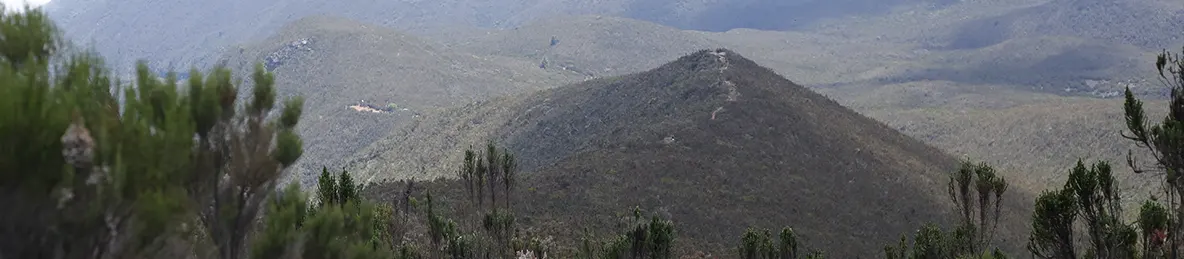
As the climb continues, the environment changes quickly. Forest turns into open moorland. Rocky ridges and volcanic landscapes appear higher on the mountain.
One reason travelers prefer Lemosho is the gradual ascent profile. Climbers gain altitude slowly during the first days. That improves acclimatization and increases summit chances.
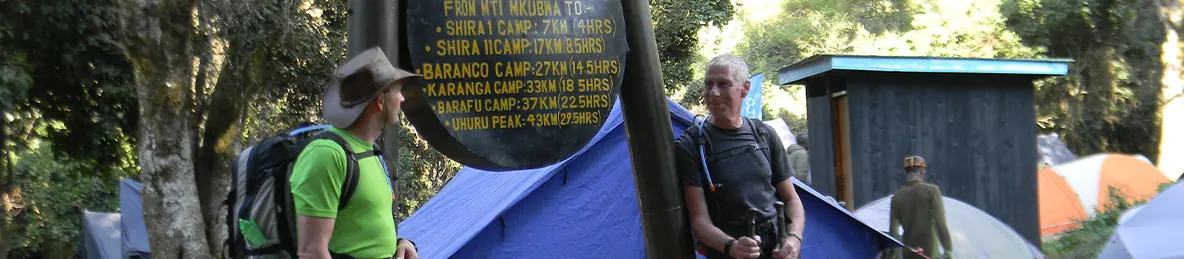
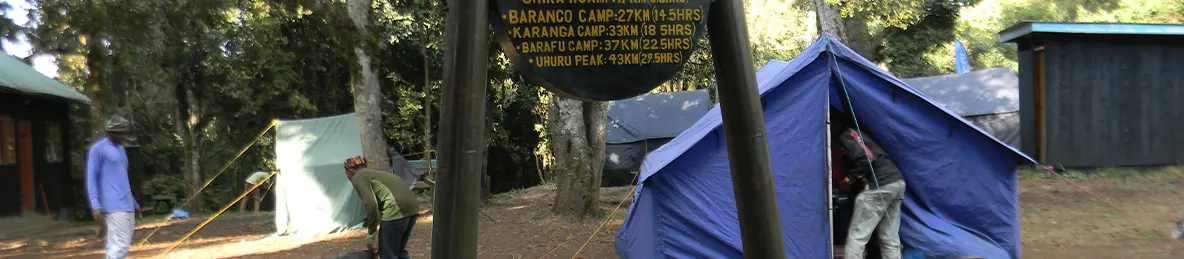
The route later joins the southern circuit near Barranco Camp. From there, hikers continue toward Karanga, Barafu, and eventually Uhuru Peak.
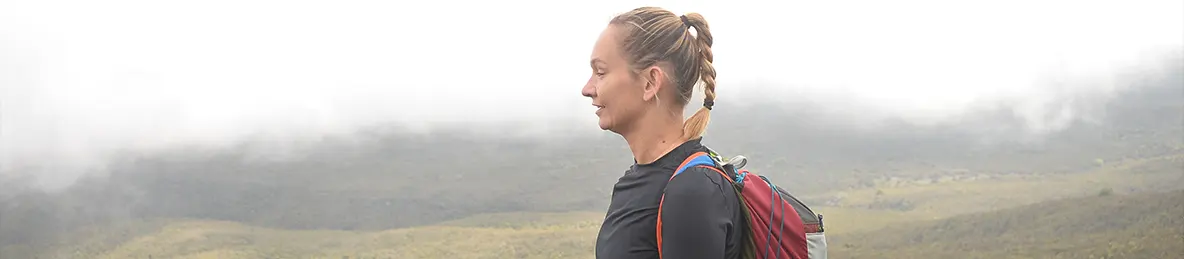
Lemosho also gives hikers some of the widest panoramic views on Kilimanjaro. On clear days, travelers can see valleys, glaciers, and distant plains far below the mountain.
What Makes Lemosho Different
Several features make Lemosho stand out from shorter or more direct routes.
- Longer acclimatization profile
- Less crowded starting section
- Wide scenic views
- Higher summit success rates
- Good balance between challenge and comfort
Many experienced mountain guides consider Lemosho one of the best overall routes for reaching the summit safely while still enjoying the experience.
The Northern Circuit Route Experience
The Northern Circuit is the longest standard route on Kilimanjaro. It circles the quieter northern side of the mountain before reaching the summit.
This route starts from the western side near Lemosho, but later separates toward the north. Climbers spend several days crossing remote sections with fewer crowds and open mountain views.
Because of its length, the Northern Circuit offers excellent acclimatization conditions. Many operators report some of the highest summit success rates on this route.
The northern side of Kilimanjaro feels very different from the southern routes. Trails are quieter. Camps feel more remote. The landscape appears wide and open for long sections of the trek.
Travelers who want a less crowded experience often prefer the Northern Circuit for that reason alone.
The route eventually reconnects with the summit path before the final ascent to Uhuru Peak.
Why the Northern Circuit Appeals to Serious Trekkers
The Northern Circuit attracts travelers who value the full mountain journey instead of simply reaching the summit quickly.
Many hikers choose it because of:
- Excellent acclimatization
- Lower crowd levels
- Longer scenic trekking days
- Remote mountain atmosphere
- High summit success rates
It also suits travelers who enjoy multi-day trekking experiences and want to spend more time exploring Kilimanjaro’s landscapes.
How Acclimatization Improves Summit Success
Altitude is the biggest challenge on Kilimanjaro. The summit stands at 5,895 meters above sea level. Oxygen levels become much lower at high elevations.
Short itineraries often push climbers upward too quickly. Some hikers develop headaches, nausea, dizziness, or fatigue before reaching the summit.
Longer climbs help reduce that risk. Eight-day itineraries allow the body to adapt more naturally to changing altitude.
Guides also use climbing strategies that support acclimatization. One common method is “walk high, sleep low.” Climbers hike to higher elevations during the day before descending slightly to sleep.
This approach helps the body prepare for summit conditions gradually.
Good acclimatization improves comfort, energy levels, sleep quality, and overall summit chances.
What the Mountain Journey Looks Like
The climb begins in rainforest conditions. The air feels warm and humid. Trails pass through thick forest with large trees and moss-covered branches.
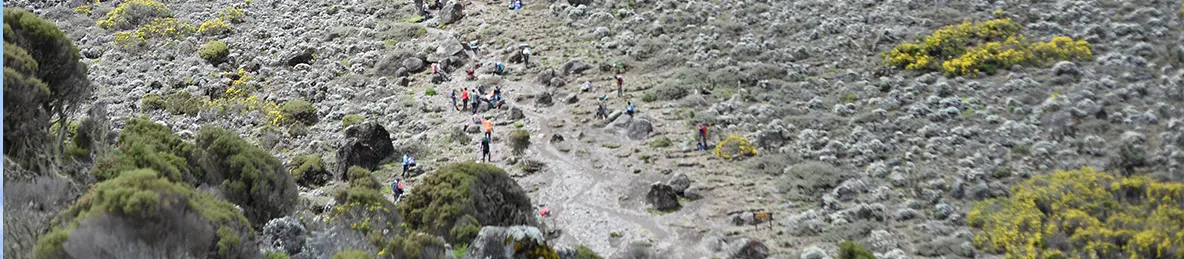
Higher sections become cooler and more open. Moorland zones contain giant groundsels, volcanic rock formations, and wide mountain views.
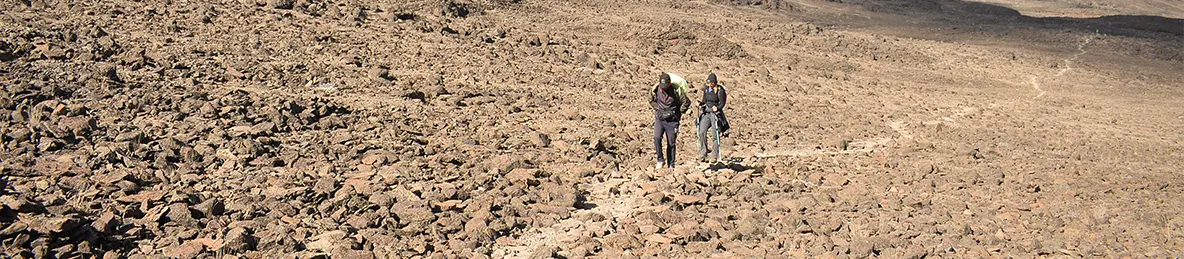
As hikers move higher, vegetation becomes sparse. The alpine desert zone feels dry, cold, and windy.
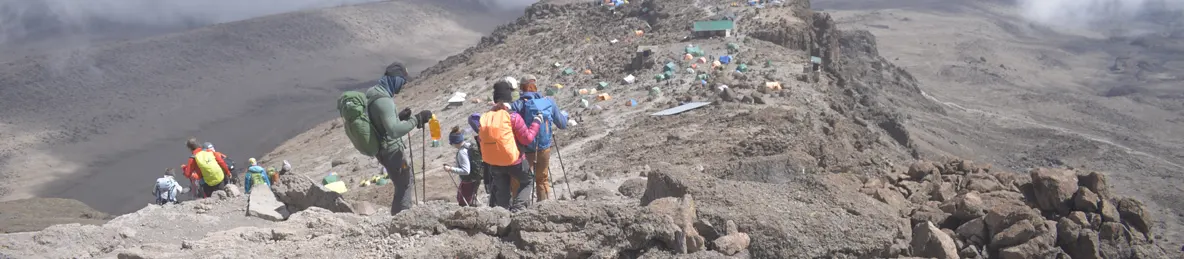
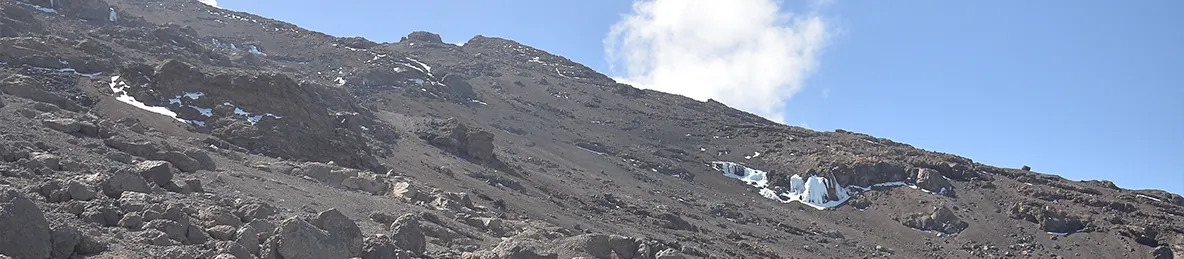
Near the summit, the landscape turns rocky and icy. Temperatures often fall well below freezing during the night.
Summit night usually starts around midnight. Climbers wake up in darkness, drink hot tea, and begin the final ascent using headlamps.
The pace stays slow because altitude makes breathing harder. Every step requires more effort.
Most hikers reach Uhuru Peak after sunrise. The summit view above the clouds becomes one of the most rewarding moments of the journey.
Daily Comfort on Longer Kilimanjaro Climbs
Many travelers worry about comfort during mountain trekking. Longer itineraries often make the experience easier because hiking days feel less rushed.
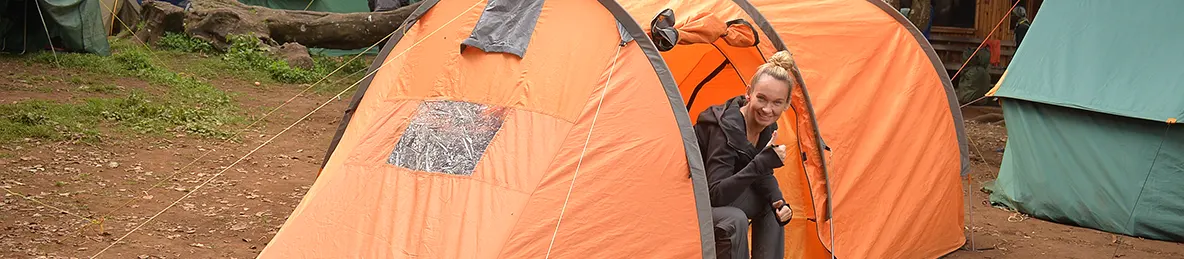
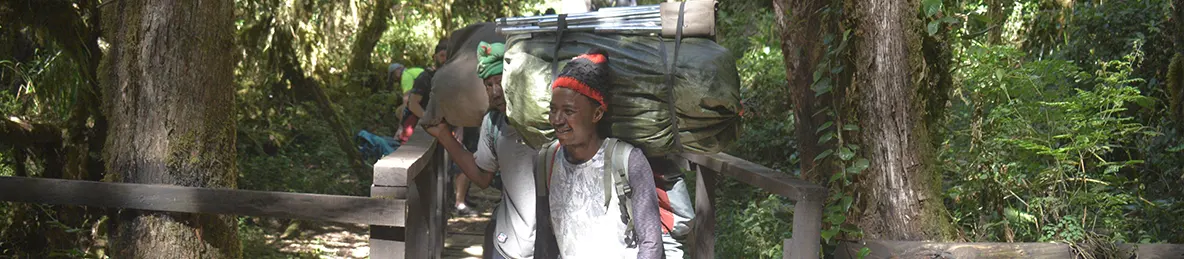
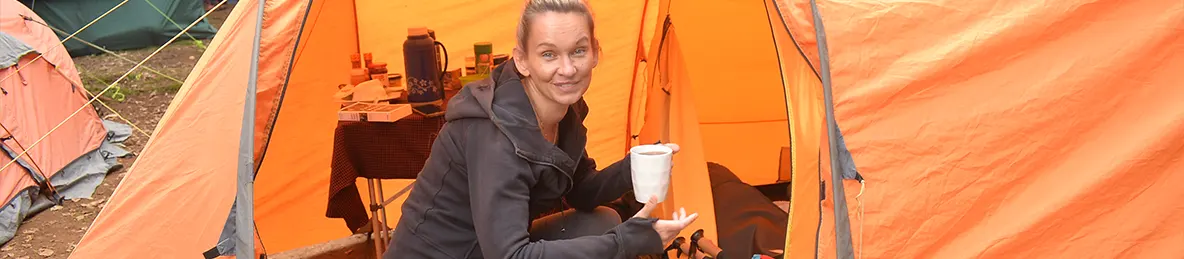
Most 8-day tours use camping accommodation. Porters carry tents, cooking supplies, food, and luggage between camps.
By the time climbers arrive at camp, tents are usually already prepared.
Meals on the mountain often include:
- Soup and bread
- Rice and vegetables
- Pasta dishes
- Eggs and potatoes
- Fresh fruit
- Tea, coffee, and hot chocolate
Experienced mountain cooks prepare meals daily to help hikers maintain energy during the climb.
Evenings on the mountain usually feel calm. Climbers eat dinner, listen to guide briefings, and rest before the next hiking day begins.
Camping Equipment and Support Crews
Good operators provide quality camping equipment and experienced support teams.
Most packages include:
- Professional mountain guides
- Porters and cooks
- Sleeping tents
- Dining tents
- Sleeping mats
- Emergency oxygen
- First aid equipment
- Transfers between the hotel and the park gate
Some premium operators also include private toilet tents, thicker mattresses, and upgraded camping setups.
Mountain crews play a huge role during the climb. Guides monitor safety and altitude symptoms. Porters transport supplies across difficult terrain. Cooks prepare hot meals under changing weather conditions.
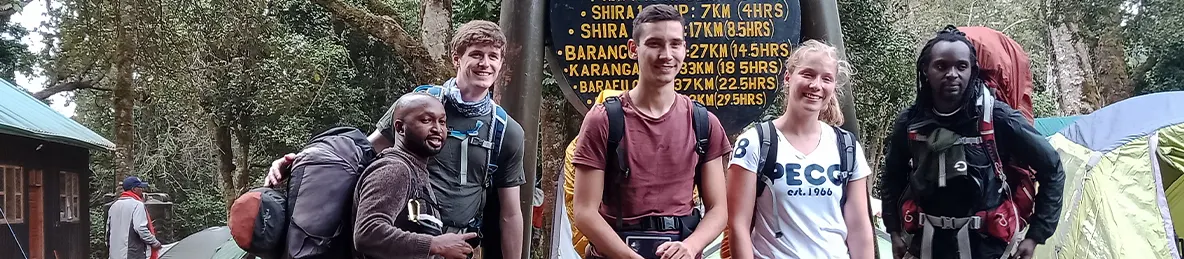
Many travelers say the crew support becomes one of the most memorable parts of the experience.
Physical Preparation Before the Trek
Kilimanjaro does not require technical climbing experience, but physical preparation still matters.
Travelers should train before arrival. Walking, jogging, hiking, cycling, and stair climbing help improve endurance.
Long-distance walking with a backpack also prepares the body for repeated hiking days.
Strong mental focus becomes important too. Summit night tests patience and determination because of cold weather, fatigue, and altitude.
Climbers who prepare early usually enjoy the experience more during the trek.
Important Gear for an 8-Day Climb
- Waterproof hiking boots
- Warm thermal layers
- Insulated jacket
- Rain gear
- Headlamp
- Warm gloves and a hat
- Sunglasses and sunscreen
- Sleeping bag rated for cold weather
- Trekking poles
Layered clothing works best because temperatures change quickly throughout the climb.
Best Time to Climb Kilimanjaro
Kilimanjaro can be climbed year-round, but weather conditions vary by season.
January to March often brings cooler temperatures and clearer summit conditions. June to October is the busiest climbing season because the weather stays drier.
Rainy months create muddy trails in the rainforest sections. Clouds can also reduce visibility during some days.
The Northern Circuit remains attractive during wetter periods because northern sections of the mountain usually receive less rainfall.
No matter the season, summit conditions stay cold. Proper clothing remains important throughout the year.
Choosing the Right Operator Matters
The quality of the operator affects safety, comfort, and the overall mountain experience.
Experienced operators provide trained guides, quality equipment, proper meals, and strong emergency procedures.
Travelers should look for:
- Licensed guides
- Positive recent reviews
- Clear safety standards
- Fair porter treatment
- Reliable communication
- Transparent package pricing
Low prices sometimes lead to poor working conditions for crews or lower safety standards on the mountain.
Responsible tourism supports local workers and improves the experience for everyone involved.
Why Longer Kilimanjaro Tours Deliver Better Overall Value
Some travelers first look at shorter climbs because they appear cheaper or faster. However, longer itineraries often provide better value overall.
Higher summit success means travelers have a stronger chance of completing the climb after investing in flights, equipment, visas, and travel costs.
The experience itself also becomes more enjoyable. Hikers spend less time rushing and more time appreciating the mountain.
For many climbers, the journey becomes just as important as standing on the summit.
Final Thoughts on 8-Day Kilimanjaro Climbing Tours
8-day tours for climbing Kilimanjaro continue to grow in popularity because they offer one of the best overall mountain experiences on Kilimanjaro. Routes like Lemosho and the Northern Circuit give travelers more time to acclimatize, enjoy the scenery, and improve summit success without unnecessary pressure. The slower pace creates a safer and more rewarding climb for many hikers, especially first-time visitors to high altitudes. Travelers can compare route styles, operator services, and package options before choosing the adventure that fits their goals. With proper preparation and an experienced mountain crew, an 8-day climb can become one of the most memorable travel experiences in Tanzania.