Why the 8-Day Lemosho Route Is a Strong Choice
The 8-day Kilimanjaro climbing via the Lemosho route is often selected by climbers who want a safer and more gradual approach to the summit. The extra day compared to shorter itineraries allows the body to adapt more naturally to altitude changes, which improves comfort during higher sections of the mountain. This slower progression is one of the main reasons the route records strong summit success rates.
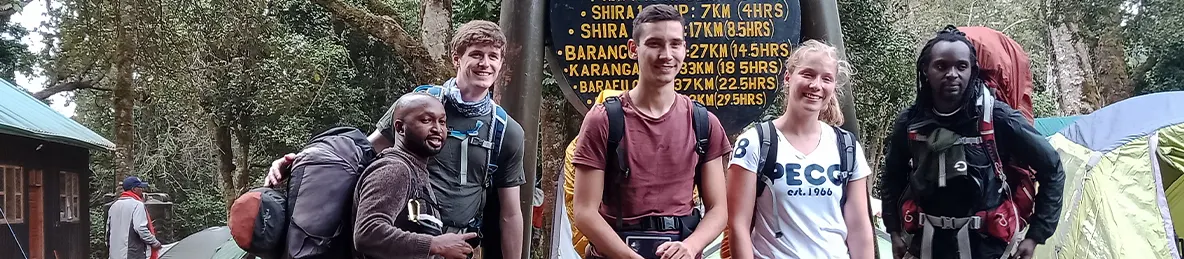
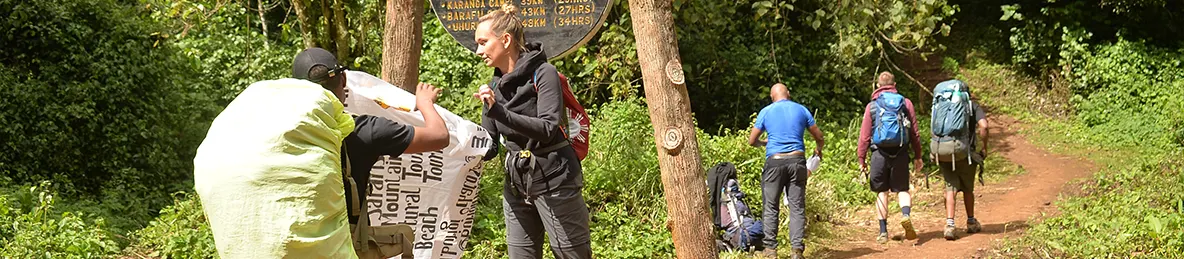
The early part of the journey begins in a remote and quiet forest zone on the western side of Kilimanjaro. This section feels less crowded and more immersive, giving climbers time to settle into the trekking rhythm without pressure from heavy traffic on the trail. As the route continues, the landscape opens into heath and moorland areas, followed by expansive volcanic terrain.
Another important advantage is how the route manages energy levels. Instead of pushing long distances too quickly, the itinerary spreads effort across multiple days. This helps reduce fatigue and allows climbers to maintain consistency, especially during the more demanding high-altitude stages.
The overall experience combines scenery, pacing, and structured acclimatization in a way that supports both safety and enjoyment throughout the climb.
What the Lemosho Experience Feels Like Over 8 Days
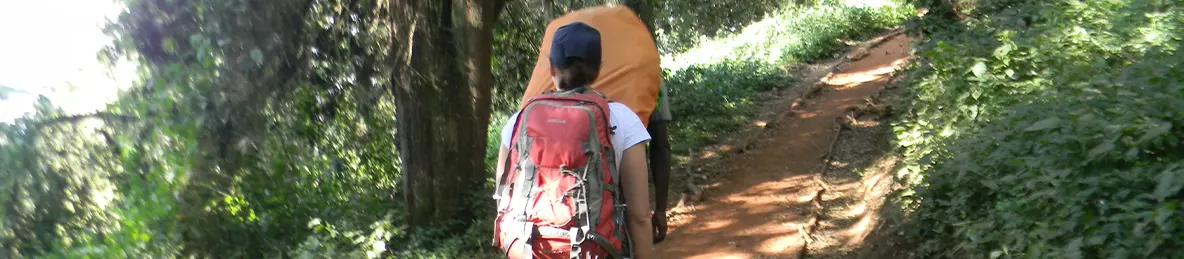
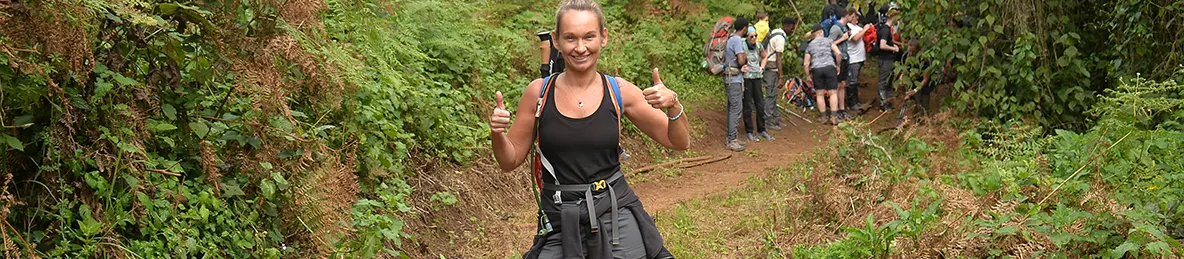
The 8-day Lemosho route offers a gradual and well-balanced trekking experience that builds steadily from the base of the mountain to the summit. Early stages take place in dense rainforest, where the environment is humid, green, and rich with natural sounds. Trails are often soft underfoot and surrounded by thick vegetation.
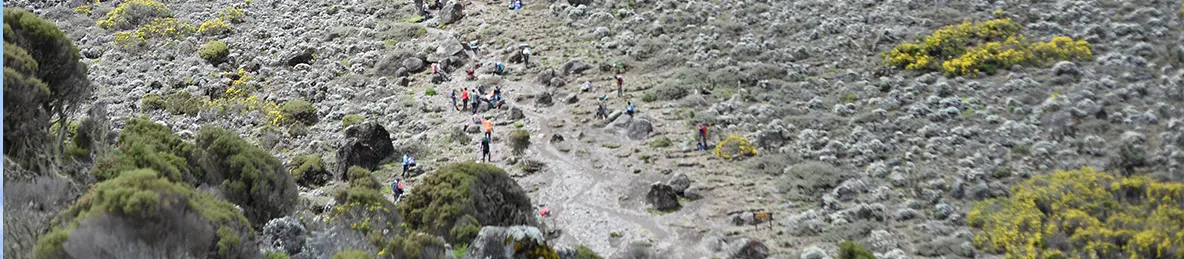
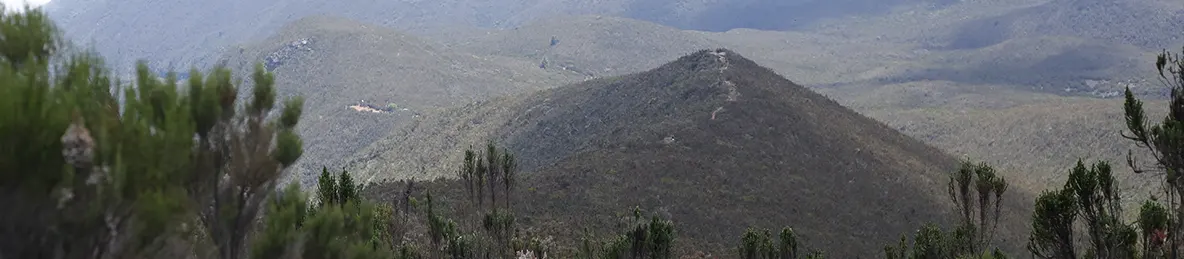
As elevation increases, the forest gradually transitions into open moorland. The air becomes cooler, visibility improves, and wide views of the mountain begin to appear. This shift marks the beginning of more open and exposed terrain that continues for the rest of the climb.
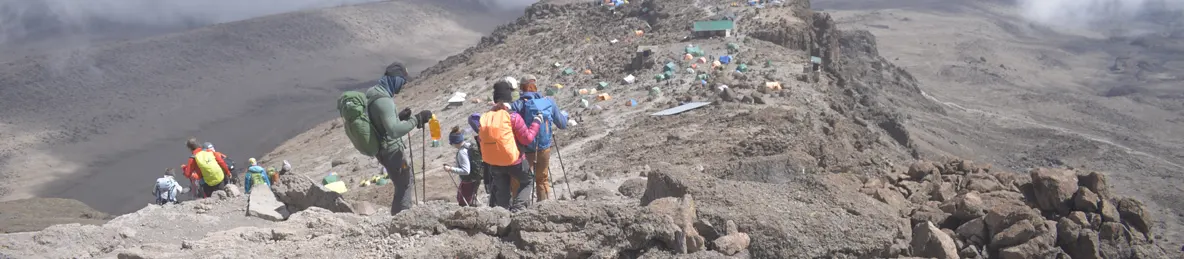
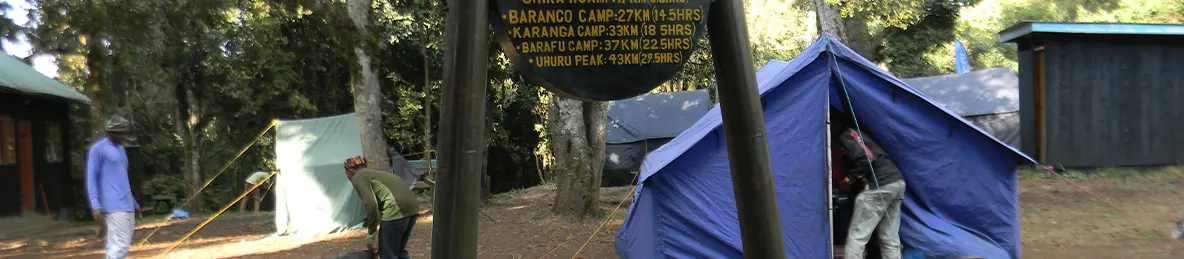
Mid-route sections introduce alpine landscapes with volcanic rock formations and sparse vegetation. Camps are positioned at strategic points to allow rest and recovery before continuing upward. Each day is structured to balance walking time with proper acclimatization breaks.
Higher sections of the climb become more challenging due to colder temperatures and reduced oxygen levels. The final ascent begins at night, requiring slow and steady movement toward the summit through steep and icy terrain before reaching Uhuru Peak at sunrise.
Choosing the Right 8-Day Kilimanjaro Package
Selecting the right 8-day Kilimanjaro climbing via the Lemosho route package requires attention to guiding quality, itinerary structure, and overall support. While the route remains the same, the experience can vary depending on how the climb is organized.
Guide experience is a key factor. Skilled guides understand altitude progression, monitor climber health, and adjust pace when needed. Their decisions play a major role in both safety and summit success.
Group size also influences the experience. Smaller groups tend to offer more personalized attention and flexible pacing, while larger groups follow a more structured rhythm that may feel slower but more social.
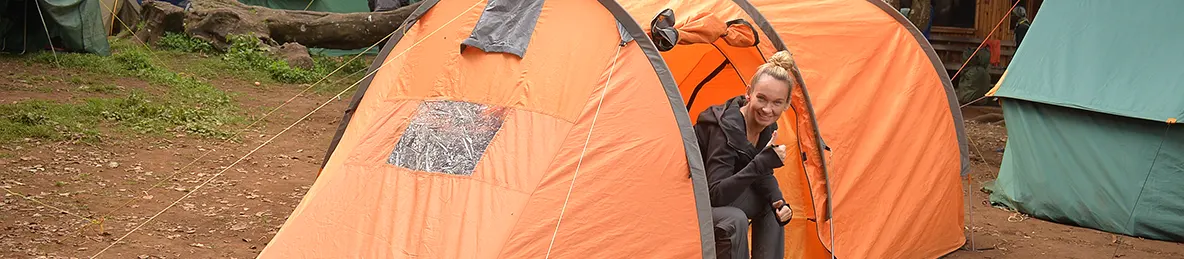
Equipment quality should also be considered. Reliable tents, sleeping systems, and camp logistics contribute directly to rest quality, especially at higher altitudes where recovery becomes more important.
Finally, the pacing of the itinerary matters. A well-designed plan ensures steady elevation gain without unnecessary strain, allowing climbers to adapt gradually throughout the journey.
Weather and Conditions on the Lemosho Route
Conditions along the 8-day Lemosho route change significantly with altitude. The lower rainforest section is typically warm and humid, with occasional rain and muddy trails that require proper waterproof gear and careful movement.
As climbers move higher, temperatures drop and vegetation becomes less dense. The heath and moorland zones introduce cooler winds and more open terrain, with clearer views across the mountain slopes.
In the upper sections, the environment becomes dry, cold, and exposed. Nights are often freezing, while daytime conditions remain windy and harsh. Proper layering becomes essential for maintaining comfort and safety.
The extended structure of the route helps climbers adjust gradually to these changing conditions, reducing the impact of altitude and improving overall endurance.
Preparing for the Lemosho Route Climb
Preparation for the 8-day Lemosho Route Kilimanjaro Climbing Packages should focus on endurance, altitude readiness, and temperature management. Physical training, such as hiking, stair climbing, and long-distance walking, helps build stamina for consecutive trekking days.
Packing should include layered clothing suitable for different climate zones. Waterproof jackets, thermal layers, trekking boots, gloves, hats, and a cold-rated sleeping bag are essential for higher elevations.
Mental preparation is equally important. The climb involves long walking days, basic camping conditions, and gradual altitude gain that requires patience and steady pacing rather than speed.
Hydration and nutrition are also important throughout the trek. Regular water intake and balanced meals provided during the climb support energy levels and help the body adjust to altitude changes.
Common Questions About the Lemosho Route
- Is the 8-day Lemosho route better than shorter options?
Yes, the extra day improves acclimatization and increases summit success rates.
- Is this route suitable for beginners?
It can be suitable for fit beginners due to its gradual ascent, but endurance is still required.
- Do I need prior trekking experience?
No technical experience is needed, but good physical fitness is important.
- Is camping included during the climb?
Yes, all nights are spent in designated camps with full support from the mountain crew.
Planning Your Kilimanjaro Climb with Confidence
The 8-day Kilimanjaro climbing via the Lemosho route offers one of the most balanced and scenic ways to reach the summit of Mount Kilimanjaro. Each stage of the journey is structured to support acclimatization while maintaining a steady and enjoyable trekking rhythm.
Choosing the right package ensures a safer, more comfortable, and well-supported climb. With proper preparation and experienced guides, the Lemosho Route provides a rewarding and memorable path to Uhuru Peak.