What to Expect from 5-Day Kilimanjaro Climbing Tours
A 5-day climb on Mount Kilimanjaro is one of the shortest ways to reach Uhuru Peak. It works best for travelers with limited time and good physical fitness. These tours move faster than 6-day or 7-day climbs, so hikers spend fewer days adjusting to the altitude. That makes preparation very important.
Most 5-day tours for climbing Kilimanjaro follow popular routes like Marangu or Machame. Each route has different trail conditions, camp styles, and scenery. Marangu uses hut accommodation instead of tents. Machame uses mountain camps and usually feels more adventurous.
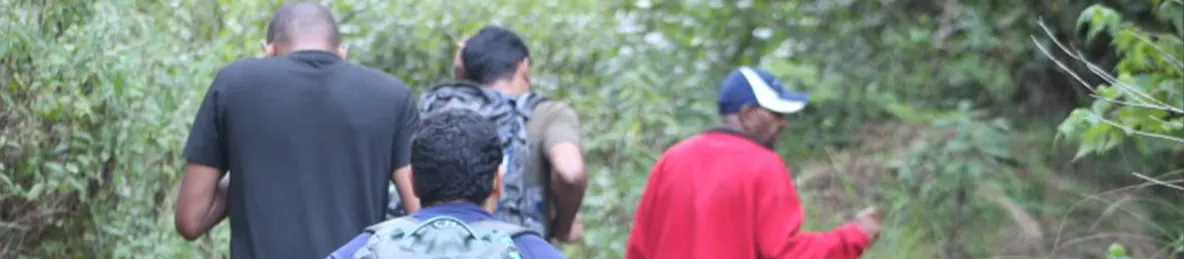
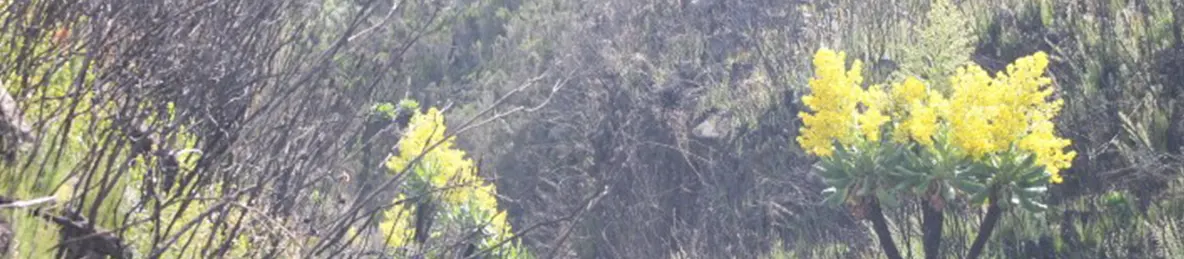
The climb starts in the rainforest zone. This lower area is warm and green. Hikers pass tall trees, birds, monkeys, and muddy paths. As the climb continues, the landscape changes quickly. Forest turns into moorland. Moorland becomes alpine desert. Near the summit, the trail feels cold, rocky, and dry.
Summit night is the hardest part of the journey. Climbers usually wake up around midnight and hike for several hours in darkness. Temperatures often fall below freezing. The air feels thinner with every step. Most people reach Uhuru Peak after sunrise. That moment stays with many travelers for years.
Why Travelers Choose a 5-Day Kilimanjaro Climb
Time matters for many travelers. Not everyone can spend a full week on the mountain. Some visitors combine Kilimanjaro with safari tours or Zanzibar beach holidays. A shorter climb helps them fit more experiences into one trip.
Price is another reason. In many cases, 5-day Kilimanjaro climbing packages cost less than longer itineraries. Fewer days on the mountain usually mean lower park fees and fewer support costs. Budget travelers often start by comparing these shorter tours.
Some climbers also prefer the challenge. A faster ascent feels more demanding. Experienced hikers sometimes choose it because they already know how their bodies react to high altitude. Others simply enjoy active trips with long hiking days.
Still, shorter does not always mean easier. Less time on the mountain means less time for acclimatization. Altitude sickness becomes more common on shorter routes. Travelers should understand this before booking.
Popular Routes Used for 5-Day Kilimanjaro Tours
Marangu Route
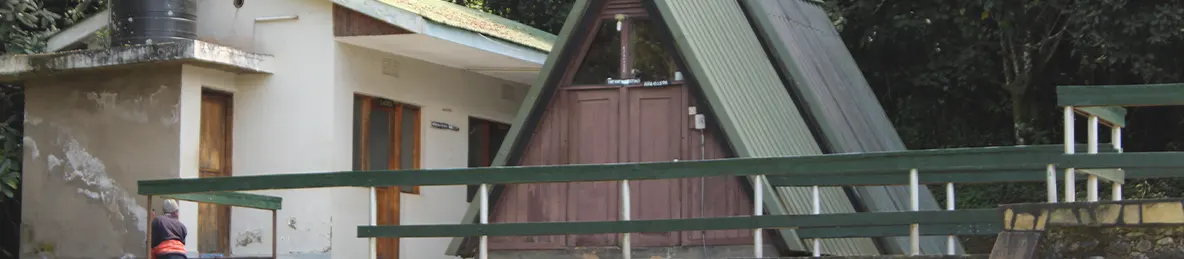
The Marangu Route is one of the oldest paths on Kilimanjaro. Many people call it the “Coca-Cola Route” because it has permanent huts instead of camping tents. This route attracts travelers who want simple shelter during the climb.
The trail begins on the southeastern side of the mountain. It passes through rainforest, moorland, and alpine desert before reaching the summit. The path itself is straightforward in many sections, but summit night remains difficult.
Marangu is often seen as the easiest route in terms of trail conditions. However, the shorter 5-day version has a lower summit success rate compared to longer climbs. Climbers gain altitude quickly and have less recovery time.
Machame Route
Machame is more scenic than Marangu. It also feels steeper and more adventurous. Travelers cross ridges, valleys, and volcanic landscapes during the climb.
This route usually uses camping accommodation. Porters carry tents, cooking equipment, food, and supplies between camps. Many hikers enjoy the social atmosphere at the campsites.
The Machame Route gives better views during the climb. On clear days, hikers can see glaciers, valleys, and wide sections of the mountain. The route also allows climbers to “walk high and sleep low” in some sections. That can help with acclimatization, even on shorter itineraries.
Fitness Needed for a 5-Day Kilimanjaro Climb
You do not need technical climbing skills to climb Kilimanjaro. No ropes or mountain experience are required on standard trekking routes. Still, fitness matters a lot.
A typical hiking day lasts between five and eight hours. The summit night can take more than 12 hours round-trip. Climbers walk slowly, but the altitude makes every step harder.
Travelers should train before the trip. Walking, stair climbing, jogging, and hiking help build stamina. Long walks with a backpack also prepare the body for mountain conditions.
Mental strength matters too. Many people struggle because of cold temperatures, poor sleep, and altitude headaches. Staying calm and keeping a steady pace helps more than trying to walk fast.
Best Time for 5 Days Kilimanjaro Climbing Tours
Kilimanjaro can be climbed throughout the year, but some months offer better conditions.
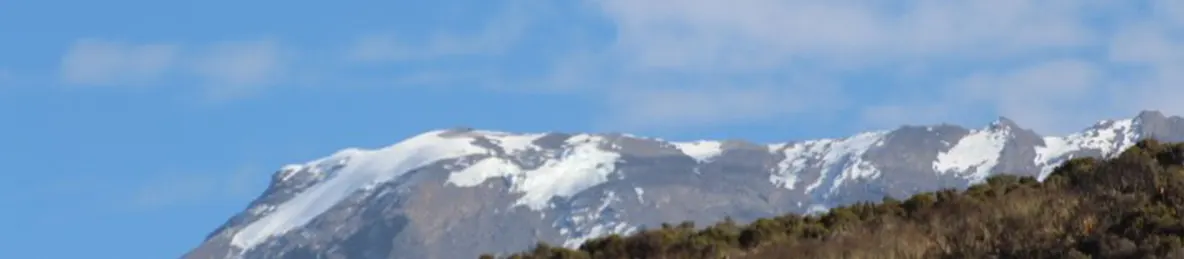
January to March is cooler and quieter. The skies are often clear. Snow near the summit is more common during this period. These months work well for travelers who want fewer crowds.
June to October is the busiest climbing season. Days are usually dry, and trail conditions improve. Many international travelers visit Tanzania during this time because it matches summer holidays in Europe and North America.
April and May bring heavy rain. Trails become muddy and slippery. Visibility also drops in some sections. November has shorter rainy periods, but it can still affect climbing conditions.
The weather on Kilimanjaro changes quickly. Even during dry seasons, summit temperatures can fall far below freezing.
Altitude and Acclimatization on Short Climbs
Altitude is the biggest challenge on Kilimanjaro. The summit stands at 5,895 meters above sea level. Oxygen levels drop as climbers move higher.
Common symptoms include headaches, nausea, dizziness, and poor sleep. Some people feel mild discomfort. Others struggle to continue.
Short itineraries increase the risk because the body has less time to adapt. That is why guides encourage slow walking. On the mountain, climbers often hear the phrase “pole pole.” It means “slowly” in Swahili.
Drinking water helps. Eating regular meals also matters, even when appetite decreases. Guides monitor climbers during the trek and check for serious symptoms.
Some travelers use altitude medication before the climb. Others prefer natural acclimatization. Travelers should speak with a doctor before using medication.
What Is Usually Included in 5-Day Kilimanjaro Packages
Most Kilimanjaro operators offer similar core services. These usually include:
- Park entry fees
- Mountain guides
- Porters and cooks
- Camping equipment or huts
- Meals during the climb
- Drinking water
- Transfers between the hotel and the park gate
- Rescue fees
Many packages also include one or two hotel nights before and after the climb.
International flights are usually not included. Tips for mountain crews are also separate in most cases. Travelers should always read the package details carefully before booking.
Budget tours may use shared groups and standard camping gear. Mid-range and luxury operators often provide larger tents, private toilets, thicker sleeping mats, and better meal choices.
The Role of Guides and Porters
Guides and porters are a major part of the Kilimanjaro experience. They carry equipment, prepare food, set up camps, and support climbers during difficult sections.
Most mountain crews come from local communities near Kilimanjaro. Their work supports many families in northern Tanzania.
A lead guide manages safety and pacing. Assistant guides help monitor hikers during the climb. Porters transport bags and supplies between camps.
Good operators treat crews fairly. Responsible companies provide proper wages, meals, shelter, and carrying limits for porters. Travelers should check whether operators follow ethical porter standards before booking.
Food on the Mountain
Many travelers feel surprised by the quality of meals during Kilimanjaro climbs. Mountain cooks prepare soups, rice, pasta, vegetables, eggs, chicken, fruits, and snacks throughout the trek.
Hot meals help climbers recover energy after long hiking days. Tea, coffee, and hot chocolate are also common at camps.
Appetite often decreases at higher altitudes. Guides still encourage climbers to eat because the body burns many calories during the climb.
Vegetarian meals are widely available. Some operators also prepare vegan or gluten-free options with advance notice.
Packing for a 5-Day Kilimanjaro Climb
Packing correctly makes the climb safer and more comfortable. The weather changes fast on the mountain. Climbers experience heat, rain, wind, and freezing temperatures during the same trip.
Important items include:
- Waterproof hiking boots
- Warm jacket
- Thermal base layers
- Gloves and a hat
- Headlamp
- Rain jacket
- Sleeping bag
- Trekking poles
- Water bottles or a hydration pack
- Sunscreen and sunglasses
Layering clothes works better than wearing one thick jacket. Climbers can adjust clothing during changing weather conditions.
Most operators provide a full packing list before arrival.
Group Climbs vs Private Climbs
Travelers usually choose between group departures and private climbs.
Group climbs cost less because expenses are shared among travelers. These tours also create a social experience. Many climbers enjoy meeting people from different countries during the trek.
Private climbs offer more flexibility. Travelers can choose their own pace, travel dates, and support level. Families, couples, and friends often prefer private tours.
Some operators also provide custom itineraries with upgraded services.
Summit Success Rates on 5-Day Routes
Success rates vary between routes and operators. In general, shorter climbs have lower summit success rates compared to longer itineraries.
The body needs time to adjust to altitude. A fast ascent gives less recovery time. Some climbers feel strong physically but still struggle because of altitude sickness.
Longer routes usually improve summit chances. However, many travelers still reach Uhuru Peak on 5-day itineraries with proper preparation and strong fitness.
Experienced guides play a big role in summit success. They manage pace, hydration, meals, and safety throughout the trek.
Combining Kilimanjaro With Safari or Zanzibar
Many travelers combine Kilimanjaro climbing tours with other Tanzania experiences.
After the climb, some visitors continue to safari parks like Serengeti, Ngorongoro, or Tarangire. Wildlife safaris give travelers a completely different experience after several days on the mountain.
Others prefer rest after the climb. Zanzibar becomes a popular option because of its beaches, resorts, and warm Indian Ocean weather.
Short Kilimanjaro itineraries work well for travelers who want both mountain trekking and beach holidays within one trip.
Safety on Mount Kilimanjaro
Kilimanjaro is considered a trekking mountain, but safety still matters.
Altitude sickness causes the biggest risk. Good operators carry oxygen cylinders, first aid kits, and emergency communication equipment.
Guides monitor climbers daily. If symptoms become dangerous, climbers must descend immediately.
Travel insurance is important. Policies should include high-altitude trekking and emergency evacuation coverage.
Travelers should also choose licensed operators with experienced mountain crews. Cheap tours sometimes cut corners on safety and staff support.
How Much Do 5-Day Kilimanjaro Tours Cost?
Prices vary based on route, season, and service level.
Budget group climbs usually cost less because travelers share tents, guides, and transport. Mid-range packages often include better equipment and smaller groups. Luxury climbs add extra comfort, private services, and upgraded camping setups.
Park fees already form a large part of the total cost. Tanzania National Parks charges conservation fees, camping fees, rescue fees, and crew entry fees.
Very cheap offers should be checked carefully. Low prices sometimes mean poor equipment or unfair porter treatment.
Choosing the Right Kilimanjaro Operator
Hundreds of companies offer Kilimanjaro climbs. Choosing the right operator affects safety, comfort, and overall experience.
Look for operators with:
- Licensed mountain guides
- Strong safety records
- Good reviews from recent travelers
- Fair porter treatment
- Clear package details
- Quality camping equipment
- Reliable communication
Reading traveler reviews helps reveal how operators handle real climbing situations. Consistency matters more than marketing promises.
A good company answers questions clearly before the trip. They also provide realistic expectations about the climb.
Is a 5-Day Kilimanjaro Climb Worth It?
For many travelers, yes.
A shorter climb saves time and money while still giving the full summit experience. The journey passes through several climate zones and ends at the highest point in Africa. Few trekking experiences combine those conditions within only five days.
Still, travelers should understand the challenge honestly. This is not an easy walk. Altitude affects everyone differently. Proper training, preparation, and mindset matter more than age.
Some hikers choose longer routes for better acclimatization. Others prefer the speed and intensity of a shorter itinerary. Both options work for different travel styles.
The best choice depends on fitness, available time, and personal goals.
Final Thoughts on 5-Day Kilimanjaro Climbing Packages
5-day Kilimanjaro climbing tours remain popular because they fit many travel schedules while still delivering a serious mountain adventure. Travelers can compare routes, prices, group sizes, and operator styles to find the experience that matches their goals. Some climbers want a budget-friendly summit attempt. Others look for premium support and smaller groups. No matter the style, preparation stays important. A well-planned climb, a trusted operator, and realistic expectations make the journey safer and far more rewarding.