Why Some Travelers Prefer a 9-Day Kilimanjaro Trek
Not every climber wants the fastest route to the summit. Many travelers now choose longer itineraries because they create a more stable and comfortable mountain experience.
A nine-day climb spreads the altitude gain across more hiking days. That helps reduce physical stress and gives the body extra time to adjust. On Kilimanjaro, acclimatization often matters more than fitness alone.
Longer routes also create a different rhythm on the mountain. Hikers wake up with less pressure to rush between camps. The journey feels more balanced from start to finish.
Many guides recommend longer itineraries for first-time climbers, older travelers, and anyone concerned about altitude sickness. The slower pace often improves energy levels during summit night.
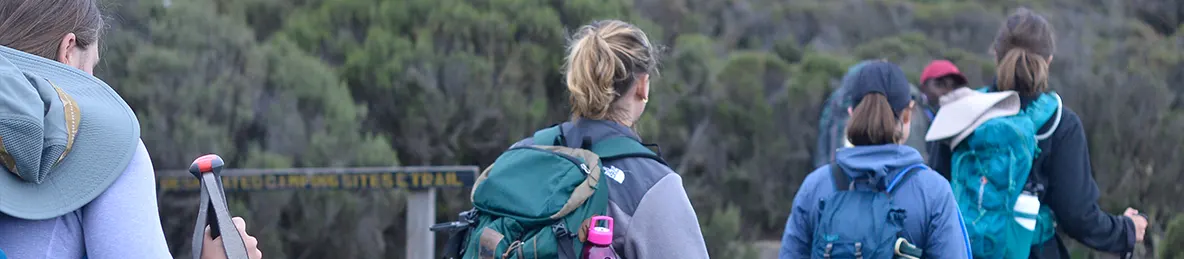
Another reason travelers choose nine days is the overall experience itself. Kilimanjaro is not only about standing at Uhuru Peak. The landscapes, camps, mountain silence, and daily hiking routine become part of the adventure.
The Lemosho Route on a 9-Day Itinerary
The Lemosho Route remains one of the most respected paths on Kilimanjaro because of its scenery and gradual ascent profile.
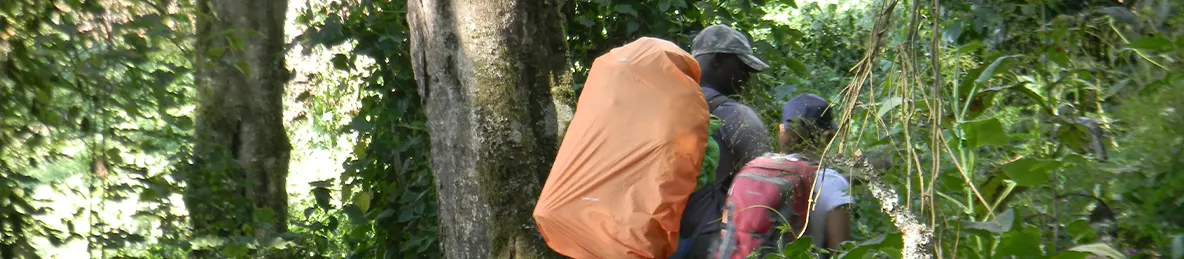
Starting on the western side of the mountain, the route passes through rainforest filled with giant trees, birds, and dense vegetation. Early hiking days feel quiet and relaxed compared to busier routes.
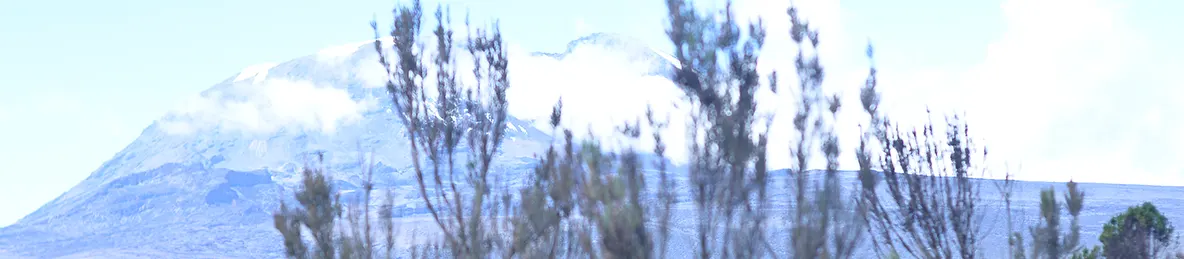
As climbers gain elevation, the scenery changes dramatically. Open moorland replaces forest. Volcanic ridges, lava formations, and distant glaciers become more visible each day.
The longer nine-day schedule allows hikers to spend additional time acclimatizing at key camps before moving higher.
Many climbers appreciate how the route slowly introduces altitude instead of pushing upward too quickly. Guides often describe Lemosho as one of the best routes for balancing scenery and acclimatization.
Another advantage is route diversity. Climbers experience several sides of the mountain instead of repeating the same path for ascent and descent.
What Travelers Like About the Lemosho Experience
- Gradual altitude gain
- Strong acclimatization profile
- Scenic mountain views
- Lower crowd levels at the beginning
- Better summit success rates
Many experienced trekkers consider the longer Lemosho itinerary one of the most complete Kilimanjaro experiences available.
The Northern Circuit Route in 9 Days
The Northern Circuit is the longest route on Kilimanjaro and one of the quietest. It circles around the northern slopes of the mountain before reaching the summit from the east.
This route begins near the Lemosho trail before separating toward the remote northern side. The scenery changes constantly during the trek, with wide valleys, rocky landscapes, and open mountain terrain.
One major advantage of the Northern Circuit is the low number of climbers compared to southern routes. Many hikers spend long periods walking without large groups nearby.
The route also gives travelers excellent acclimatization because of its length. Climbers spend more time at moderate altitude before pushing toward the summit camp.
Hikers who enjoy long trekking journeys often choose the Northern Circuit because it feels less commercial and more remote.
The route eventually joins the summit path near School Hut before the final ascent to Uhuru Peak.
Why the Northern Circuit Stands Out
The Northern Circuit appeals to travelers who value:
- Longer acclimatization time
- Remote trekking conditions
- Quieter camps and trails
- Wide mountain scenery
- High summit success rates
For many hikers, the route feels closer to a true wilderness trek compared to shorter and busier itineraries.
Understanding Altitude on Kilimanjaro
Altitude remains the biggest challenge on the mountain. Kilimanjaro reaches 5,895 meters above sea level, where oxygen levels become significantly lower.
Many climbers feel symptoms once they move above 3,000 meters. Common signs include headaches, fatigue, dizziness, nausea, and sleep problems.
Longer itineraries help because the body gets more time to adapt naturally.
Guides carefully manage hiking pace during the climb. Walking slowly helps reduce stress on the body and supports acclimatization.
Most experienced guides prefer steady movement instead of fast hiking. On Kilimanjaro, conserving energy matters more than speed.
Hydration also becomes very important at high altitude. Climbers usually drink several liters of water every day during the trek.
Daily Life During a 9-Day Climb
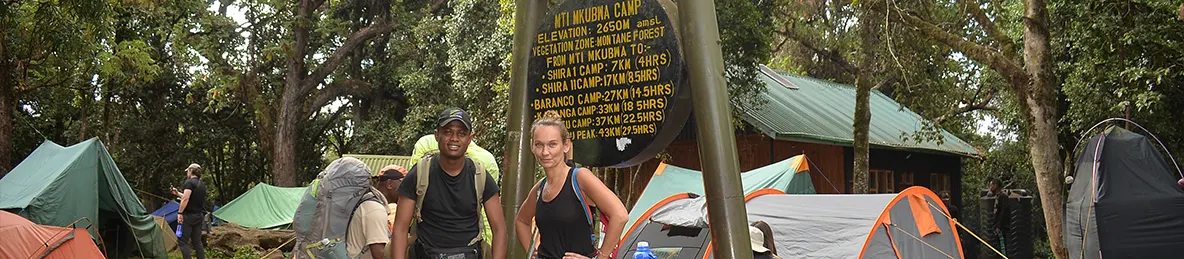
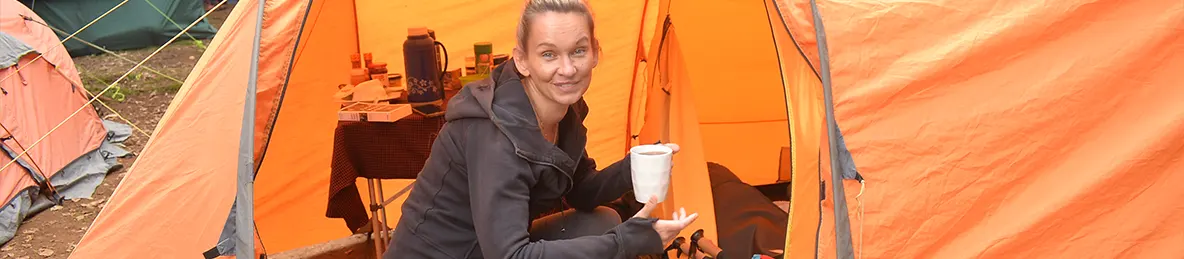
Life on the mountain follows a simple daily routine. Most mornings begin early with hot tea or coffee before breakfast.
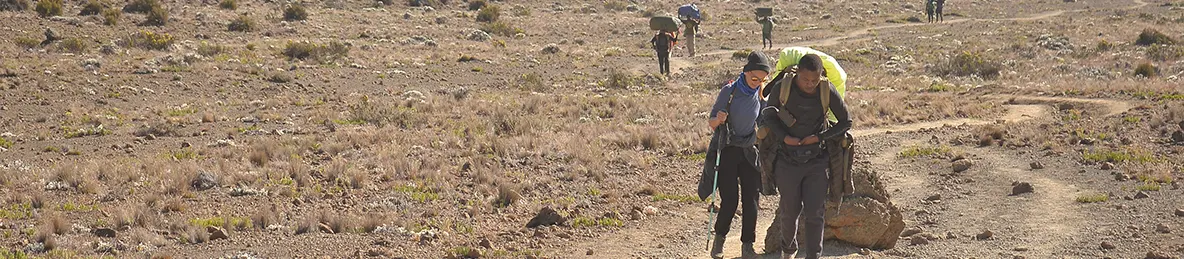
After breakfast, climbers pack their day gear and begin hiking toward the next camp. Porters usually move ahead carrying tents, cooking supplies, and luggage.
Lunch may happen on the trail or at camp, depending on the day’s distance.
Afternoons often give hikers time to rest, stretch, drink water, and enjoy the mountain surroundings.
Evenings become colder as altitude increases. Most climbers eat dinner early before resting inside their tents.
The slower pace of a nine-day itinerary gives travelers more recovery time compared to shorter climbs.
Meals on the Mountain
Mountain crews prepare fresh meals throughout the trek. Food helps restore energy after long hiking days.
Meals commonly include:
- Soup and bread
- Rice and vegetables
- Pasta dishes
- Eggs and potatoes
- Fresh fruit
- Tea and coffee
Appetite sometimes decreases at higher altitudes, but guides still encourage climbers to eat regularly.
Most operators can also prepare vegetarian meals and special dietary options with advance notice.
Physical Preparation Before Arrival
Kilimanjaro is a trekking mountain, but physical preparation still plays a major role in the experience.
Travelers should build endurance before the trip. Walking, hiking, jogging, cycling, and stair climbing all help improve stamina.
Long-distance hikes with a backpack prepare the body for repeated movement over several days.
Good mental preparation matters too. Summit night often feels difficult because of cold weather, altitude, and limited sleep.
Travelers who train consistently before arrival usually recover faster during the climb.
Important Gear for a 9-Day Trek
- Waterproof hiking boots
- Thermal clothing layers
- Warm jacket
- Rain protection
- Headlamp
- Warm gloves and a hat
- Sleeping bag for cold temperatures
- Trekking poles
- Reusable water bottles
Layered clothing works best because the weather changes quickly between climate zones.
Weather Conditions on the Mountain
Kilimanjaro can be climbed throughout the year, but some months offer better trekking conditions.
January to March usually brings cooler temperatures and clearer summit mornings. June to October is the busiest season because the trails stay drier.
Rainy months create muddy conditions in the forest sections and can reduce visibility higher on the mountain.
The northern side of Kilimanjaro often receives less rainfall than the southern routes, which benefits Northern Circuit itineraries during wetter periods.
No matter the season, summit temperatures remain extremely cold during the night.
Support Crews and Mountain Safety
Every Kilimanjaro climb depends heavily on local mountain crews.
Guides manage pace, safety checks, and altitude monitoring throughout the trek. Porters transport equipment between camps while cooks prepare meals daily.
Experienced operators carry emergency oxygen, first aid kits, and communication devices for safety.
Travelers should always book with licensed operators that follow proper safety standards and fair porter treatment policies.
Choosing a responsible operator improves both the climbing experience and working conditions for local crews.
What Most 9-Day Packages Include
- Park fees
- Professional mountain guides
- Camping equipment
- Porters and cooks
- Meals during the trek
- Rescue fees
- Transfers between the hotel and the park gate
- Accommodation before and after the climb
Travel insurance, flights, visas, and crew tips are usually separate from the package price.
Why Longer Climbs Often Create Better Memories
Many travelers remember the slower moments of the climb more than the summit itself.
Watching sunrise above the clouds. Drinking tea at camp after a long hike. Hearing stories from guides and porters. Walking quietly through the mountain landscape.
Longer itineraries create more time for those experiences.
Instead of feeling rushed, hikers settle into the rhythm of the mountain. The climb becomes less stressful and more immersive.
For many travelers, that slower pace becomes one of the biggest advantages of a nine-day route.
Final Thoughts on 9 Days Kilimanjaro Climbing Tours
9-day tours for climbing Kilimanjaro offer one of the most comfortable and well-paced trekking experiences on the mountain. Both the Lemosho Route and Northern Circuit Route give travelers extra time for acclimatization, wider scenery, and quieter trails compared to shorter itineraries. The longer schedule supports higher summit success while also allowing hikers to enjoy the journey itself without unnecessary pressure. Travelers can compare route styles, operator support, camping comfort, and daily pace before choosing the right adventure. With proper preparation and an experienced mountain crew, a 9-day Kilimanjaro climb can become a rewarding experience that stays memorable long after leaving the mountain.