Why Choose the 7-Day Lemosho Route Kilimanjaro Climbing Packages
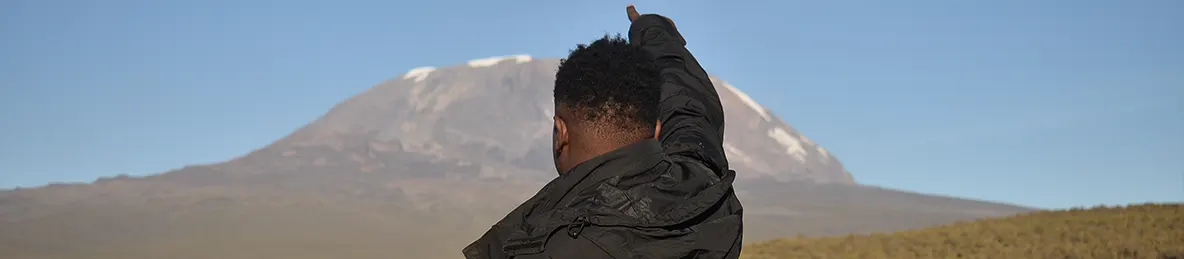
The 7-day Lemosho Route Kilimanjaro Climbing Packages are widely chosen by climbers who want a balance between scenic beauty, strong acclimatization, and a higher chance of reaching Uhuru Peak. Lemosho starts on the quieter western side of the mountain, which allows climbers to experience untouched forest and open landscapes before joining the busier routes later in the climb.
One of the biggest advantages of this route is its gradual elevation gain. The slower ascent gives the body more time to adapt to thinning air, which reduces the risk of altitude-related issues. This makes it one of the most recommended options for climbers who want a safer and more comfortable summit attempt without rushing the process.
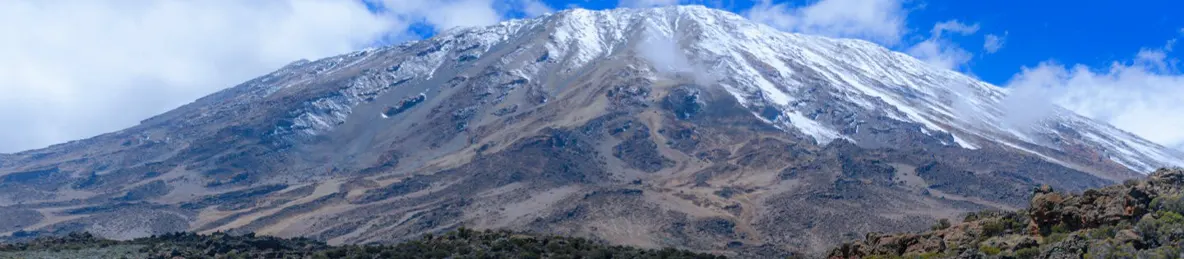
The route is also known for its visual variety. Each day introduces a new environment, starting with dense rainforest and moving through moorland valleys, volcanic ridges, and high-altitude desert. This constant change keeps the journey engaging and mentally rewarding throughout the seven days.
Another key benefit is reduced crowding in the early stages. Compared to other routes, Lemosho offers a more remote start, giving climbers a quieter and more immersive mountain experience before merging with the Machame Route near Lava Tower.
What to Expect on the Lemosho Route
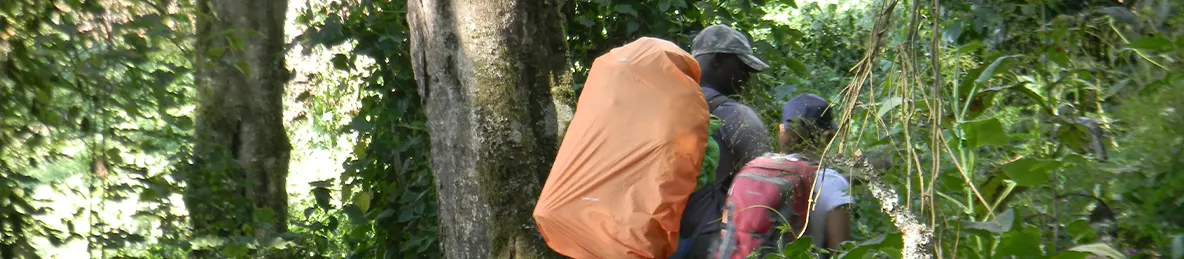
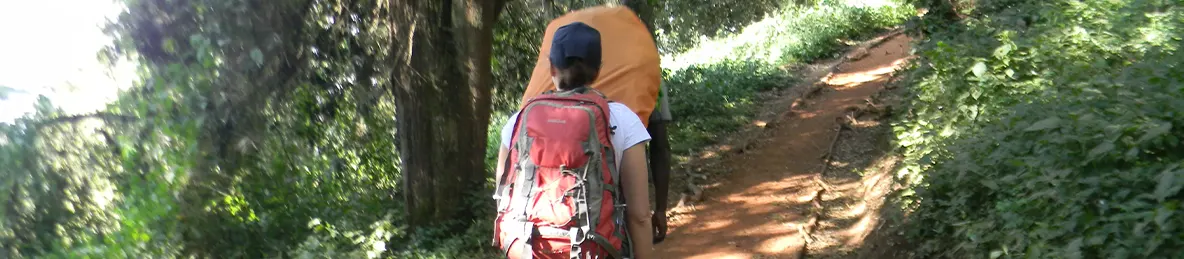
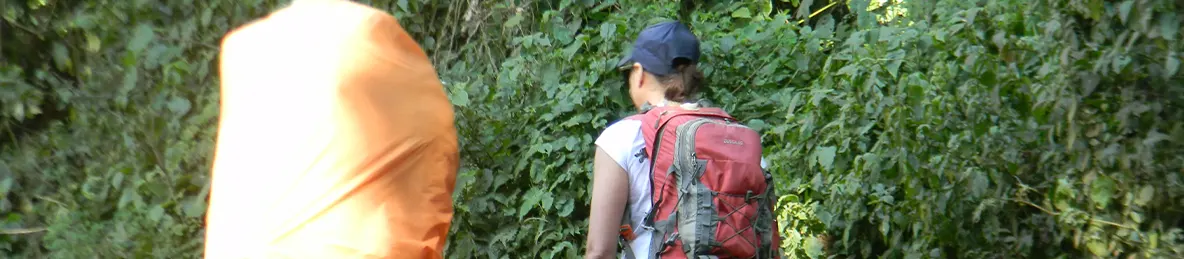
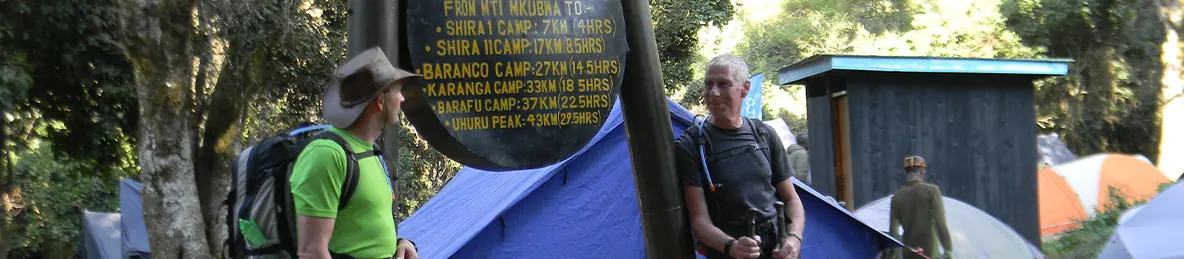
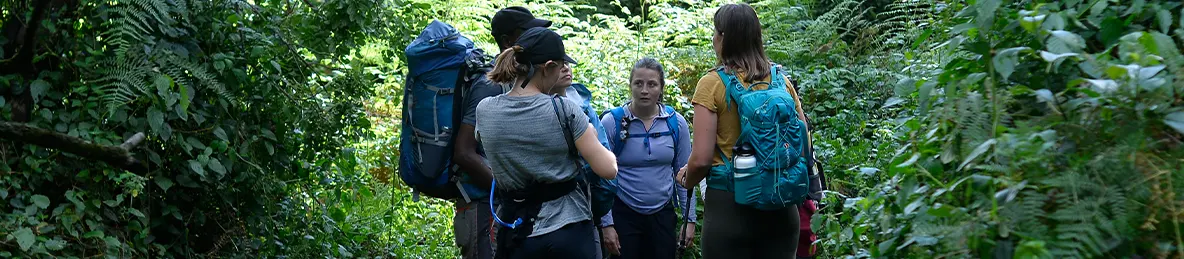
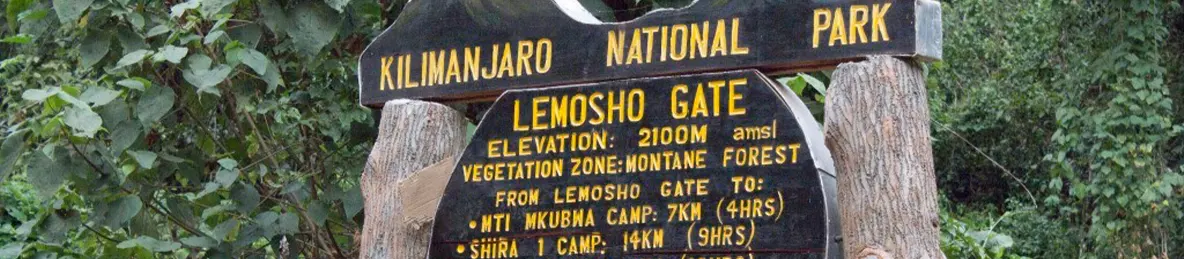
Climbing through the 7-day Lemosho Route Kilimanjaro Climbing Packages follows a well-paced structure that prioritizes both scenery and acclimatization. The journey begins at Londorossi Gate, where climbers enter a lush rainforest filled with tall trees, moss-covered trails, and occasional wildlife sightings.
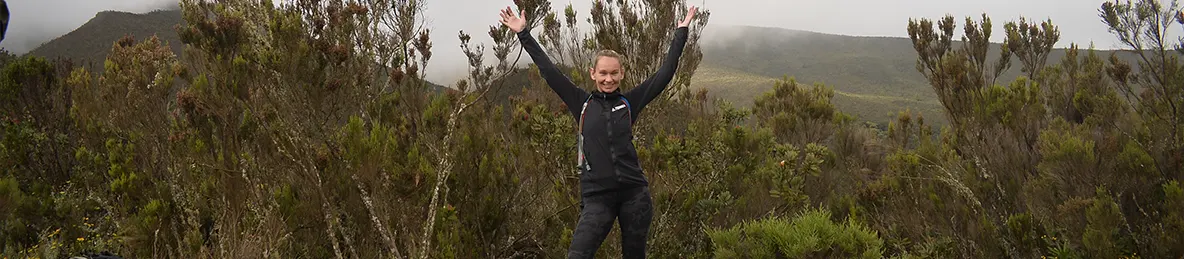
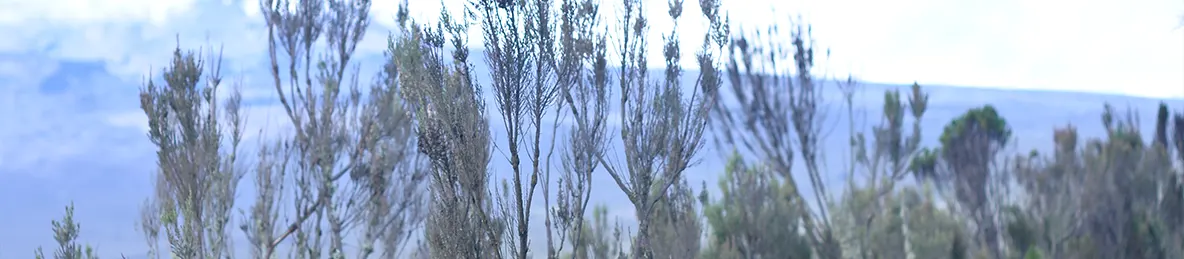
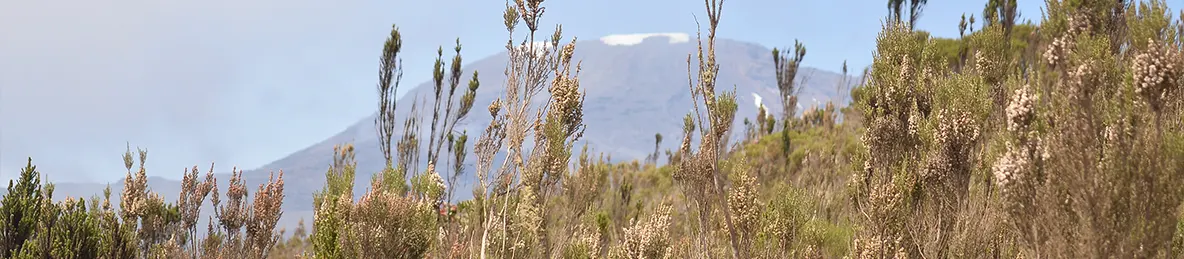
The first days are relatively gentle, allowing the body to adjust gradually. As the trail climbs higher, the rainforest transitions into heath and moorland zones. These areas feature wide-open views of the mountain and surrounding plains, with cooler temperatures and more exposed terrain.
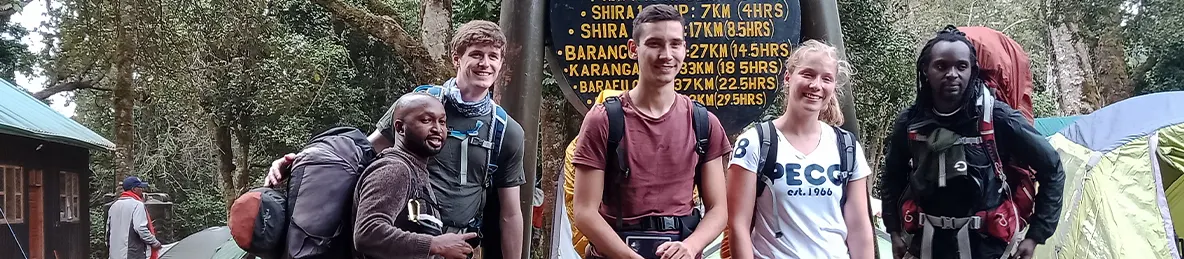
Midway through the route, climbers pass through the Shira Plateau, one of the most scenic sections of Kilimanjaro. The landscape opens dramatically, offering panoramic views and a sense of walking across a high-altitude volcanic plain.
Later stages of the climb become more demanding as the route enters alpine desert conditions. Vegetation becomes sparse, temperatures drop significantly, and the terrain turns rocky and exposed. Camps are carefully positioned to support rest and acclimatization before the final summit push.
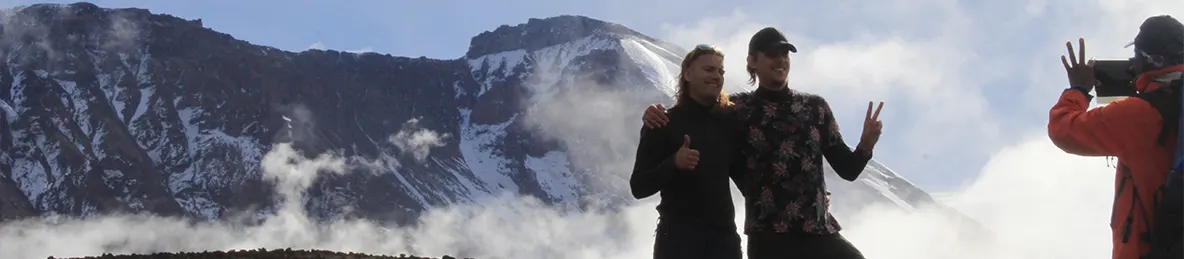
The final ascent begins at night, with climbers moving slowly through steep, cold terrain toward Stella Point and finally Uhuru Peak. This section requires endurance, mental focus, and steady pacing.
Understanding the Lemosho Route Experience
The Lemosho Route offers one of the most complete Kilimanjaro trekking experiences. The 7-day Lemosho Route Kilimanjaro Climbing Packages are designed to maximize both acclimatization and scenic diversity while maintaining a manageable pace across the mountain.
One defining feature is the sense of remoteness at the beginning of the trek. Unlike more frequently used routes, Lemosho starts in a quiet forest zone with limited traffic, allowing climbers to experience a more natural and undisturbed environment.
As the route progresses, it gradually merges with other paths, creating a shared trail experience during the middle and later stages of the climb. This transition introduces more interaction with other climbers while maintaining the overall structure of the ascent.
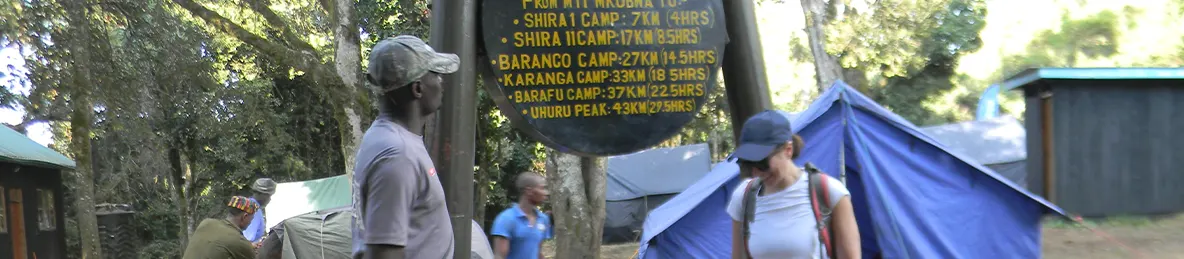
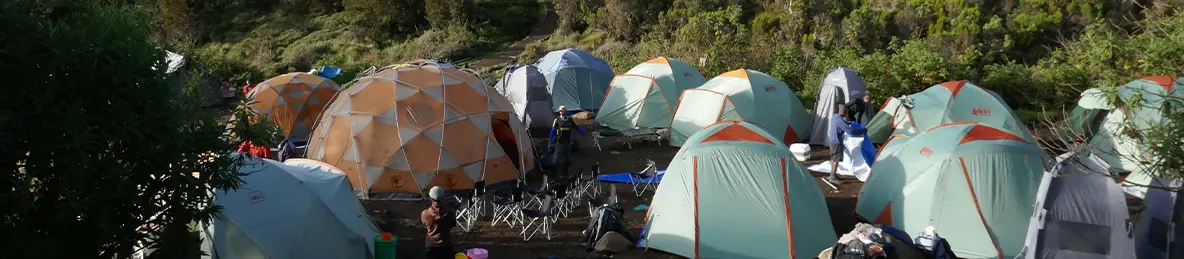
Camping is the standard accommodation throughout the route. Each night is spent in designated campsites managed by support teams who handle tents, meals, and logistics. This system creates a structured but flexible environment that supports recovery between hiking days.
The overall experience feels balanced, combining solitude, scenery, and shared summit energy in a way few other routes achieve.
How to Choose the Right 7-Day Lemosho Package
Selecting from the available 7-day Lemosho Route Kilimanjaro Climbing Packages requires attention to guiding quality, itinerary pacing, and support services. While the route itself is consistent, the overall experience varies depending on how the climb is organized.
Guide expertise is one of the most important factors. Experienced guides manage altitude progression, monitor climber health, and adjust pace when necessary. Their decisions directly affect safety and summit success, especially during the final ascent.
Group size also influences the experience. Smaller groups allow for more personalized pacing and better communication with guides, while larger groups often create a more social but less flexible environment.
Equipment quality is another key consideration. High-standard tents, sleeping systems, and food preparation ensure comfort during multi-day camping. Good logistics reduce fatigue and improve recovery between trekking days.
Finally, review how the itinerary handles acclimatization. A well-designed 7-day plan should include gradual altitude gain, rest points, and a structured summit approach that prioritizes safety over speed.
Weather and Altitude Conditions on the Lemosho Route
Conditions on the 7-day Lemosho Route Kilimanjaro Climbing Packages change significantly with elevation. The lower rainforest section is warm and humid, often with damp trails and occasional rain. Proper waterproof gear is essential in this zone.
As climbers ascend, temperatures gradually decrease and the air becomes thinner. The moorland zone introduces cooler winds and more exposed terrain, while visibility often improves, revealing wide views across the mountain.
Higher up, the alpine desert zone becomes harsh and dry. Temperatures drop sharply at night, and daytime conditions remain cold and windy. The terrain becomes rocky and requires steady footing and controlled pacing.
Altitude is the most significant factor throughout the climb. The gradual structure of the Lemosho Route helps with adaptation, but climbers still need to move slowly, stay hydrated, and listen closely to their guides.
Preparing for the Lemosho Route Climb
Preparation for the Lemosho Route should focus on endurance, altitude readiness, and temperature management. Physical training such as hiking, stair climbing, and long-distance walking helps build stamina for multi-day trekking.
Packing should include layered clothing suitable for changing conditions. Essential items include waterproof jackets, thermal layers, trekking boots, gloves, hats, and a cold-weather sleeping bag. These items are necessary for comfort at higher elevations.
Mental preparation is equally important. The climb involves long trekking days, basic camping conditions, and gradual altitude gain that requires patience and discipline. Maintaining a steady pace is more important than speed.
Hydration and nutrition play a major role in performance. Drinking enough water and following meal plans provided by the support team help maintain energy and reduce altitude-related discomfort.
Common Questions About Lemosho Route Kilimanjaro Climbs
- Is the Lemosho Route difficult?
It is considered moderate to challenging, but its gradual ascent improves acclimatization and increases summit success rates.
- Why is the 7-day Lemosho Route popular?
It offers excellent scenery, fewer crowds at the start, and strong altitude adaptation over a balanced timeframe.
- Do I need climbing experience?
No technical climbing experience is required, but good fitness and endurance are essential.
- Is camping included throughout the route?
Yes, all nights are spent in designated camps with full support from guides and porters.
Planning Your Lemosho Route Climb with Confidence
The available 7-day Lemosho Route Kilimanjaro Climbing Packages provide one of the most balanced and scenic ways to reach the summit of Mount Kilimanjaro. Each itinerary combines gradual acclimatization with diverse landscapes and professional mountain support.
Choosing the right package ensures a safer, more comfortable, and more enjoyable ascent. With proper preparation and experienced guiding, the Lemosho Route offers one of the most rewarding trekking journeys to Uhuru Peak.