Why Kilimanjaro Climbing Packages Are the Best Way to Reach the Summit
The value of Kilimanjaro climbing packages lies in their complete structure, which removes the complexity of planning a high-altitude expedition. Instead of managing permits, logistics, porters, and camping arrangements independently, climbers receive a fully organized system that allows them to focus entirely on the climb itself. This professional setup significantly increases safety and overall summit success rates.
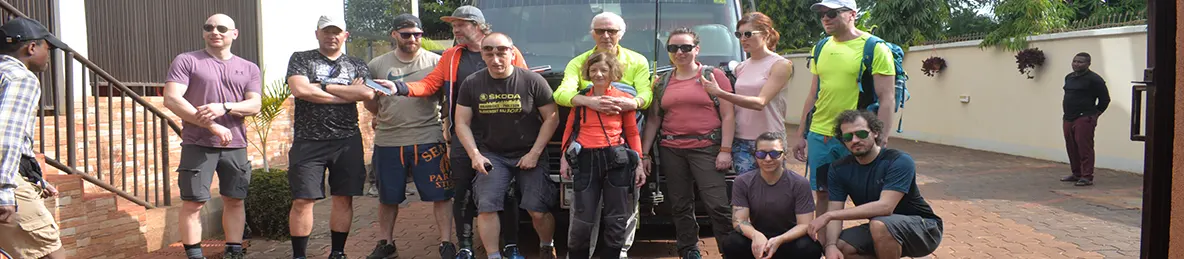
One of the strongest advantages of choosing packages for climbing Kilimanjaro is access to experienced local mountain teams. Guides, porters, and cooks work together to ensure smooth progression along the mountain. Their knowledge of altitude management, weather changes, and terrain conditions plays a critical role in keeping climbers safe and well-supported throughout the journey.
Another benefit is route selection flexibility. Whether a traveler prefers a scenic but challenging ascent like Machame, a gradual and high-success route like Lemosho, or a culturally rich experience like Marangu, Kilimanjaro climbing packages allow different routes to be matched with different travel goals.
These packages also ensure consistent quality control. From food preparation to camping equipment and safety protocols, every aspect of the climb follows a structured system designed for high-altitude trekking conditions.
What to Expect on a Kilimanjaro Climb
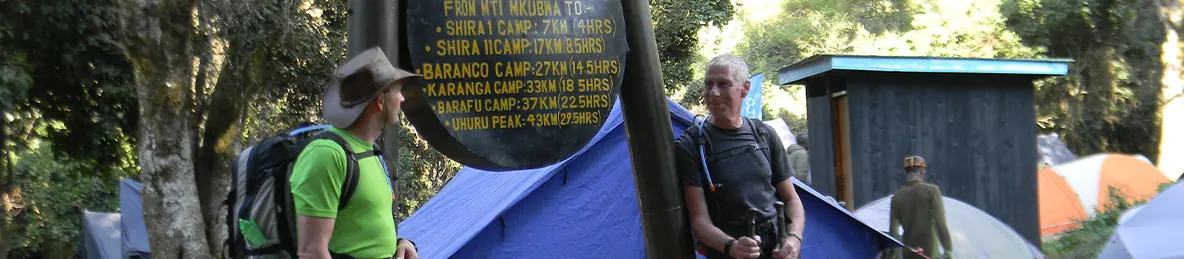
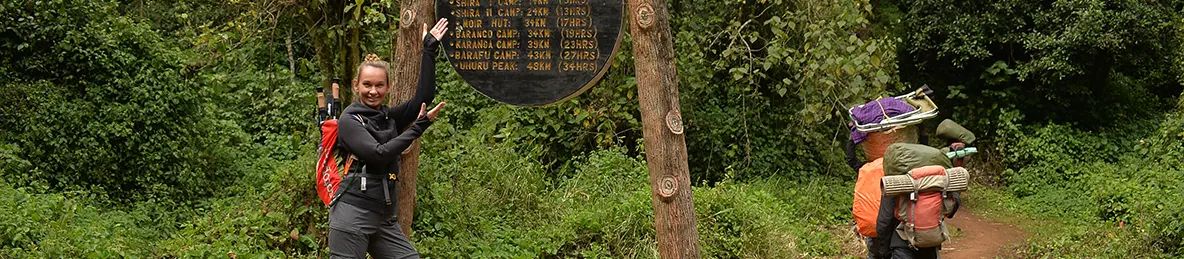
Climbers booking packages for climbing Kilimanjaro should expect a gradual transition through five major ecological zones. The journey begins in a lush rainforest, where humidity is high, and trails are often surrounded by dense vegetation and wildlife activity.
As elevation increases, the environment shifts into heath and moorland. The air becomes cooler, vegetation thins, and wide views of the mountain slopes begin to appear. This section introduces longer trekking hours but remains manageable with proper pacing.
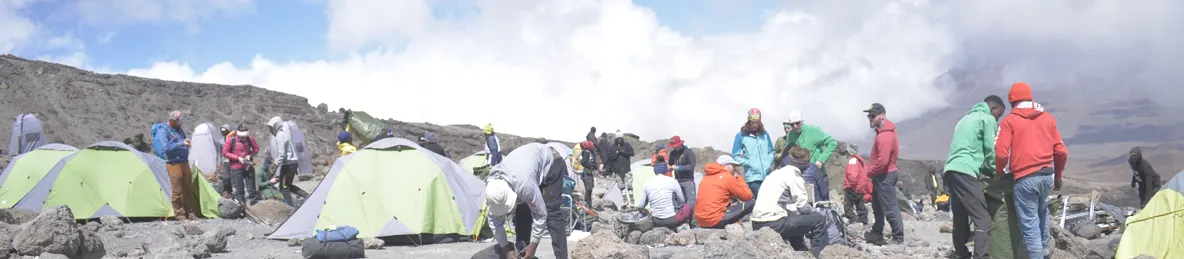
Mid-mountain sections include alpine desert landscapes characterized by volcanic rock formations, strong winds, and low temperatures. These areas feel more remote and physically demanding, requiring steady endurance and controlled movement.
Higher up, climbers enter the Arctic zone, where conditions become extreme. Oxygen levels decrease significantly, temperatures drop below freezing, and the terrain becomes icy and exposed. Summit night is the most demanding part of the climb, requiring slow and steady progress toward Uhuru Peak.
How Kilimanjaro Climbing Packages Are Structured
Most Kilimanjaro climbing packages follow a day-by-day itinerary that balances ascent, rest, and acclimatization. Routes typically range from 5 to 9 days, depending on the chosen path and desired summit success rate.
Each day includes a planned hiking duration, elevation gain target, and designated campsite or hut location. Meals are prepared by the support team and tailored to provide energy for high-altitude trekking conditions.
A key part of the packages for climbing Kilimanjaro is the acclimatization strategy. Routes like Lemosho and Northern Circuit include longer durations specifically to allow the body to adjust gradually to altitude changes, which improves comfort and summit probability.
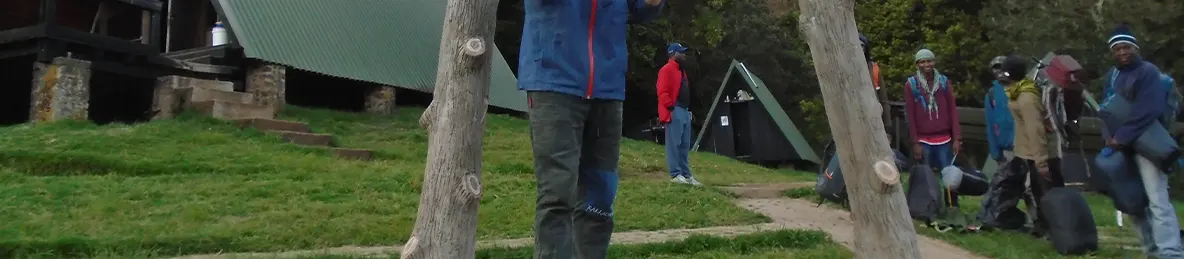
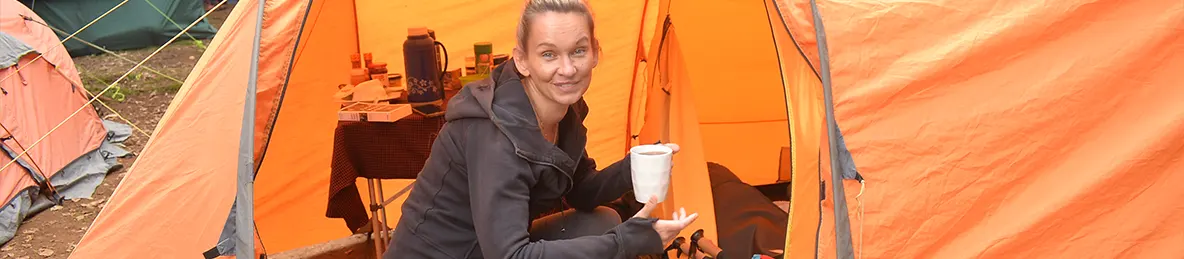
Camping logistics are fully managed by porters who transport equipment, set up tents, and prepare base camps. This system ensures climbers carry only essential items during trekking hours, reducing physical strain.
Choosing the Right Kilimanjaro Climbing Package
Selecting the right Kilimanjaro climbing packages depends on fitness level, available time, and personal trekking experience. Shorter routes may suit experienced hikers, while longer itineraries are ideal for first-time high-altitude climbers who need better acclimatization.
Route selection is one of the most important decisions. For example, Machame offers a scenic but demanding climb, while Lemosho provides a more gradual ascent with higher success rates. The Northern Circuit is the longest but offers the best acclimatization profile.
The quality of support services also matters. Reliable packages for climbing Kilimanjaro should include certified guides, proper safety equipment, emergency protocols, and well-maintained camping gear to ensure comfort and security at all stages of the climb.
Group size is another factor. Smaller groups often provide more personalized attention and flexible pacing, while larger groups may offer a more social but structured experience.
Weather and Altitude Conditions on Kilimanjaro
Climbers using Kilimanjaro climbing packages experience a wide range of weather conditions due to the mountain’s vertical ecological zones. Lower rainforest areas are typically warm and humid, often with occasional rainfall and muddy trails.
As elevation increases, temperatures drop, and weather becomes more unpredictable. Moorland and alpine zones experience strong winds, colder nights, and thinner air, requiring proper layering and preparation.
At higher altitudes, conditions become extreme. The Arctic zone is characterized by freezing temperatures, low oxygen levels, and icy terrain. These conditions make summit night physically demanding even for well-prepared climbers.
Well-designed packages for climbing Kilimanjaro help climbers adjust gradually to these changes by structuring rest days and pacing appropriately across the route.
Preparation for Kilimanjaro Climbing
Preparation for Kilimanjaro climbing packages should begin weeks or months before arrival. Physical training, such as hiking, stair climbing, and endurance exercises, helps build stamina for multi-day trekking.
Proper gear selection is essential. Climbers need layered clothing for changing temperatures, waterproof jackets, trekking boots, gloves, thermal wear, and a high-quality sleeping bag rated for freezing conditions.
Mental preparation is equally important. High-altitude trekking involves long hiking days, limited comfort, and gradual physical stress due to oxygen reduction. Patience and steady pacing are key to success.
Good hydration and nutrition are supported by the mountain team, but climbers must maintain consistent water intake and follow guidance from their guides throughout the expedition.
Common Questions About Kilimanjaro Climbing Packages
- Are Kilimanjaro climbing packages necessary?
Yes, they provide full logistical support required for safe and legal ascent of the mountain.
- What is included in the packages for climbing Kilimanjaro?
They typically include guides, porters, meals, camping equipment, park fees, and rescue support.
- Do I need prior climbing experience?
No technical climbing experience is required, but good fitness and endurance are essential.
- Which route is best for beginners?
Lemosho and Northern Circuit are often recommended due to their gradual ascent and higher success rates.
Kilimanjaro climbing packages offer the most reliable and structured way to reach the summit of Africa’s highest mountain. Each itinerary is designed to balance safety, acclimatization, and scenic diversity while providing full logistical support from start to finish.
Choosing the right packages for climbing Kilimanjaro ensures a smoother, safer, and more successful trekking experience. With proper preparation and professional guidance, climbers can focus entirely on the journey to Uhuru Peak and enjoy one of the most iconic mountain adventures in the world.