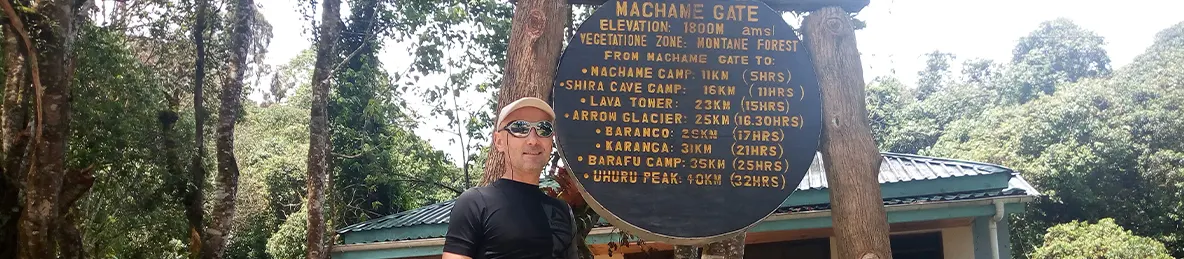
7-day Kilimanjaro climbing tours give travelers more time on the mountain, better acclimatization, and a higher chance of reaching the summit comfortably. These tours include several route options such as Machame, Lemosho, Rongai, and Umbwe, each offering different scenery, trail difficulty, and daily hiking distances. Some routes focus on panoramic views and gradual altitude gain, while others attract experienced hikers looking for steeper climbs and fewer crowds. Travelers can compare itineraries, operator styles, prices, and route features before choosing a package that matches their fitness level and travel plans. This page brings together different 7-day Kilimanjaro climbing packages so travelers can explore available options and choose the experience that suits them best.
Many hikers see seven days as the ideal balance on Kilimanjaro. The extra time helps the body adjust to altitude more naturally. That becomes important above 4,000 meters, where oxygen levels drop, and hiking feels harder.
Shorter climbs often move too quickly for some travelers. A seven-day itinerary gives more recovery time between camps. Hikers can walk at a steadier pace without feeling rushed every day.
Longer acclimatization also improves summit success rates. Many operators recommend seven-day climbs for first-time trekkers because the body responds better with gradual altitude gain.
The experience itself also feels less rushed. Travelers spend more time enjoying the changing landscapes, camp atmosphere, and mountain views instead of focusing only on reaching the summit.
Most climbers still find the trek challenging. Kilimanjaro is a high-altitude mountain, and summit night remains physically demanding even on longer itineraries.
Machame is one of the most popular routes on Kilimanjaro. Many travelers choose it because it combines strong acclimatization with impressive scenery.
The trail starts in the rainforest and gradually moves through moorland, rocky valleys, and alpine desert. Climbers pass areas like Barranco Wall and Lava Tower before reaching the summit zone.
The route uses camping accommodation during the climb. Porters carry tents, cooking equipment, food supplies, and luggage between camps.
Seven-day Machame itineraries usually include an extra acclimatization day. That gives hikers more time to adapt before summit night.
Travelers who enjoy varied landscapes often prefer this route because the scenery changes dramatically throughout the trek.
Lemosho is known for wide views, quieter trails, and gradual altitude gain. Many experienced guides consider it one of the best routes for acclimatization.
The route begins on the western side of Kilimanjaro. Early sections pass through rainforest where hikers may spot monkeys and birds before entering open moorland.
Lemosho joins the part of the Machame trail later in the climb, but the first days usually feel less crowded.
Many travelers choose Lemosho because the route feels more relaxed during the early stages. The extra time helps hikers settle into the rhythm of the mountain.
Photography lovers also enjoy this route because of the panoramic views across valleys and ridges.
The Rongai Route approaches Kilimanjaro from the northern side near Kenya. This side receives less rainfall than southern routes, making it a good option during wetter months.
Rongai feels quieter compared to Machame and Marangu. Travelers who prefer less traffic on the trail often choose it for that reason.
The climb itself starts gradually. Hikers move through forest and open landscapes before reaching the alpine desert near the summit.
The route descends through Marangu after the summit attempt, allowing climbers to experience different sides of the mountain during the journey.
Many hikers describe Rongai as peaceful because of its remote atmosphere and open views.
Umbwe is one of the steepest and most direct routes on Kilimanjaro. It attracts hikers looking for a more physically demanding climb.
The route begins with rapid elevation gain through dense forest. The trail later joins the southern circuit near Barranco Camp.
Because Umbwe climbs quickly, it is usually recommended for experienced hikers with strong fitness levels.
The route has fewer crowds than Machame and Lemosho. Some travelers prefer that quieter mountain experience.
Even with seven days, Umbwe still feels tougher than many other routes because of its steep sections and fast ascent profile.
Kilimanjaro stands apart from many trekking destinations because the environment changes so quickly. Climbers pass through several climate zones within a single journey.
The rainforest section feels warm, green, and humid. Birds call from the trees while mist hangs over the trail during the morning.
Higher up, the landscape opens into moorland with giant groundsels and volcanic rock formations. Nights become colder, and the air starts feeling thinner.
Near the summit, the terrain turns dry and rocky. Wind becomes stronger. Temperatures often drop below freezing before sunrise.
Many climbers remember summit night more clearly than any other part of the trek. The climb begins around midnight. Headlamps move slowly across the dark trail while guides encourage hikers to keep a steady pace.
Reaching Uhuru Peak after sunrise creates a strong emotional moment for many travelers. Some celebrate quietly. Others simply sit and look across the glaciers and clouds.
Altitude is the biggest challenge on Kilimanjaro. The summit reaches 5,895 meters above sea level, where oxygen levels are much lower than at sea level.
Even healthy travelers can experience altitude sickness. Common symptoms include headaches, dizziness, nausea, and poor sleep.
A seven-day itinerary gives the body more time to adjust. That does not remove altitude risk completely, but it improves the chances of adapting successfully.
Guides manage pace carefully during the climb. Walking slowly helps conserve energy and supports acclimatization.
Many operators also schedule shorter hiking days before difficult sections. That strategy allows climbers to recover better before summit night.
Good hydration plays an important role too. Most guides encourage hikers to drink several liters of water each day.
Life on Kilimanjaro follows a simple routine. Climbers wake up early, eat breakfast, and begin hiking after sunrise.
Porters usually move ahead to prepare the next camp before hikers arrive. By the time climbers reach camp, tents are often ready and hot drinks are prepared.
Meals help restore energy after long hiking days. Mountain cooks prepare soups, rice, vegetables, pasta, eggs, meat, and fruit during the trek.
Evenings feel quiet on the mountain. Most hikers eat dinner, listen to guide briefings, and rest early before the next day begins.
Temperatures drop quickly after sunset. Warm clothing becomes necessary once the sun disappears behind the mountain ridges.
Most seven-day routes use camping accommodation. Operators provide tents, sleeping mats, dining tents, and cooking equipment.
Higher-end operators often include thicker mattresses, private toilet tents, and larger sleeping tents.
Camp conditions become colder at higher elevations. A quality sleeping bag rated for freezing temperatures becomes important.
Despite the mountain environment, many travelers find camping surprisingly comfortable with experienced crews managing the camps.
Kilimanjaro does not require technical mountaineering skills, but preparation still matters.
Travelers should focus on endurance training before arrival. Hiking, stair climbing, jogging, and long walks help improve stamina.
Training with a backpack also helps the body prepare for repeated movement over several days.
Strong mental focus becomes important near the summit. Many hikers feel tired because of altitude, cold weather, and limited sleep during summit night.
Consistency matters more than speed during the climb.
Travelers can join group departures or arrange private tours.
Group climbs usually cost less because travelers share transport, guides, and camp equipment. They also create opportunities to meet people from different countries.
Private climbs offer more flexibility. Families, couples, and small groups often choose this option because they can move at their preferred pace.
Some operators also provide luxury-style climbs with upgraded services and extra comfort on the mountain.
Travelers should compare what each package includes before booking.
International flights and travel insurance are usually not included. Tips for mountain crews are also separate in most packages.
Kilimanjaro can be climbed in every season, but weather conditions change throughout the year.
January to March usually brings cooler temperatures and fewer crowds. June to October is the busiest season because trails remain drier.
Rainy periods can make forest trails muddy and slippery. Visibility also changes depending on cloud cover and weather patterns.
Even during dry months, summit temperatures often fall below freezing.
Layered clothing helps hikers adjust to changing weather conditions during the climb.
Mountain tourism supports thousands of local jobs in northern Tanzania. Guides, porters, cooks, drivers, and hotel staff all depend on tourism income.
Responsible operators follow porter welfare standards and provide fair working conditions for mountain crews.
Travelers should choose companies that treat staff fairly and prioritize safety instead of focusing only on low prices.
Small decisions during booking can directly affect working conditions on the mountain.
7-day tours for climbing Kilimanjaro give travelers more time to acclimatize, enjoy the scenery, and improve their summit chances without extending the trip too long. Routes like Machame and Lemosho offer strong acclimatization profiles and wide mountain views, while Rongai and Umbwe attract travelers looking for quieter trails or steeper challenges. Each route creates a different experience, but all lead toward the same summit above the clouds. Choosing the right itinerary, preparing properly, and climbing with an experienced crew can make the journey safer, more comfortable, and far more rewarding from start to finish.
Contact our experts for free travel advice and planning.