A Different Kind of Kilimanjaro Experience on the Rongai Route
The 7-day Rongai Route Kilimanjaro Climbing Packages stand out because they offer a completely different side of the mountain. Instead of the busier southern slopes, this route begins on Kilimanjaro’s northern flank, where the landscape feels quieter and more remote. From the very first day, the atmosphere is calmer, with fewer climbers on the trail and a stronger sense of isolation in nature.
This route is often chosen by climbers who prefer steady progress over steep challenges. The gradient remains relatively gentle in the early and middle sections, allowing the body to adjust gradually to altitude gain. This pacing helps reduce strain and supports a more controlled climbing rhythm throughout the journey.
What also makes Rongai unique is its dry climate. Compared to other routes that experience frequent rain, this side of the mountain receives significantly less precipitation. Trails remain firmer and more predictable, which improves footing and overall trekking comfort.
The seven-day structure further enhances the experience by spreading the ascent over a longer period. This gives climbers more time to adapt physically and mentally before reaching higher elevations.
How the Rongai Climb Unfolds Day by Day
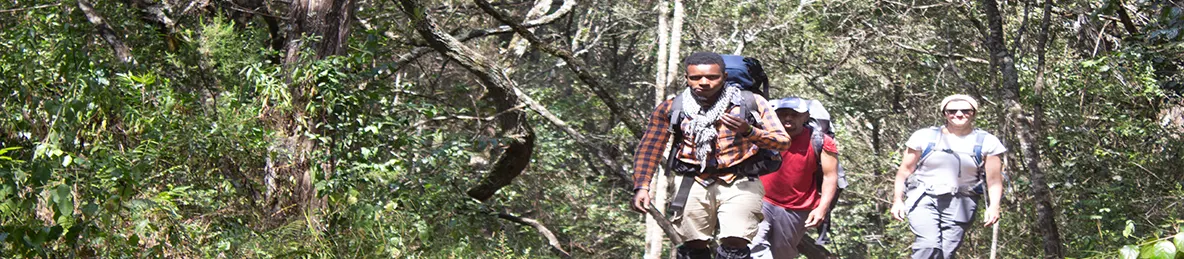
The journey through the 7-day Rongai Route Kilimanjaro Climbing Packages follows a gradual transition from lowland forest into high-altitude alpine environments. The climb begins near the Rongai Gate, where the trail enters a quiet forest zone filled with tall trees, light undergrowth, and occasional wildlife activity.
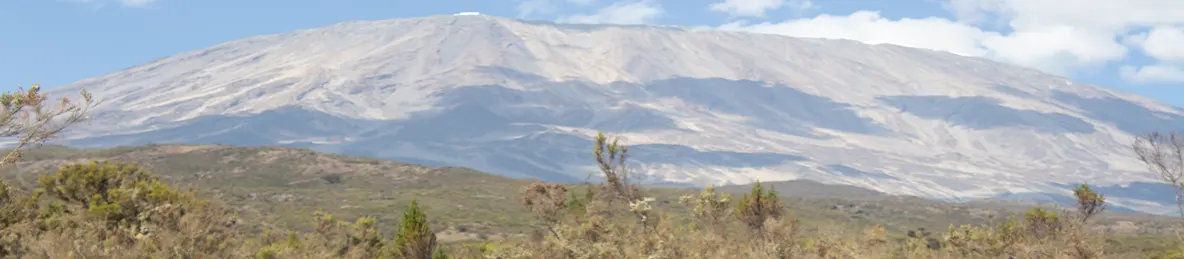
As the days progress, the forest slowly opens into heath and moorland landscapes. The air becomes cooler, vegetation thins out, and the terrain becomes more open, offering wide views across the northern slopes of Kilimanjaro. This section introduces longer walking hours but remains manageable due to the gentle incline.
Midway through the route, climbers reach exposed volcanic ridges and open plains. Camps are set at strategic points to allow proper rest and acclimatization before continuing higher. These stops play an important role in maintaining energy and adjusting to altitude changes.
Higher sections shift into alpine desert conditions, where the environment becomes dry, rocky, and significantly colder. The final approach to the summit begins at night, with climbers moving slowly through steep terrain toward Gilman’s Point and eventually Uhuru Peak.
What Makes the Rongai Route Experience Unique
The Rongai Route offers a trekking experience that feels noticeably different from other Kilimanjaro paths. One of its strongest characteristics is the sense of space. With fewer groups on the trail, climbers often move for long periods without encountering other teams, creating a quiet and uninterrupted mountain experience.
Another defining feature is the consistent terrain. Unlike routes that involve frequent steep climbs and descents, Rongai maintains a more gradual profile. This allows climbers to establish a steady rhythm, which becomes especially important during multi-day ascents.
Camping is standard throughout the route, but the environment feels less crowded and more open. Campsites are located in natural clearings, offering wide views of the surrounding landscape and night skies.
The route also provides a rare perspective of Kilimanjaro’s northern ecosystems. The scenery feels drier and less vegetated, which creates a contrast with the lush southern trails. This difference adds variety to the overall trekking experience.
Choosing the Right 7-Day Rongai Package
Selecting from the available 7-day Rongai Route Kilimanjaro Climbing Packages requires attention to structure, guiding quality, and support services. While the route itself remains consistent, the experience depends heavily on how the climb is organized.
Guided experience plays a central role in safety and success. Skilled mountain guides monitor altitude response, manage pacing, and make adjustments based on weather and physical condition. Their decisions directly influence how smoothly the climb progresses.
Group size also shapes the experience. Smaller groups tend to move more flexibly and receive more personalized attention, while larger groups follow a more fixed rhythm that can feel slower but more social.
Equipment standards are another important consideration. Quality tents, sleeping gear, and food preparation systems improve comfort during multi-day trekking. Since the Rongai Route involves camping throughout, these details have a strong impact on recovery and rest.
It is also important to evaluate how well the itinerary supports acclimatization. A properly designed 7-day plan should allow gradual elevation gain and include structured rest points before the summit attempt.
Weather and Altitude Conditions on the Rongai Route
Conditions along the 7-day Rongai Route Kilimanjaro Climbing Packages remain relatively stable compared to other Kilimanjaro routes, especially in the lower sections. The northern side of the mountain receives less rainfall, which keeps trails drier and more consistent.
As elevation increases, temperatures begin to drop steadily. The forest zone is mild and humid, but higher regions become cooler with noticeable wind exposure. Visibility often improves, offering wide views across the plains below.
The alpine desert zone introduces more extreme conditions. Temperatures fall sharply at night, and daytime conditions remain cold and dry. The terrain becomes rocky and exposed, requiring careful pacing and proper layering.
Altitude remains the main challenge throughout the climb. Even though the route is gradual, climbers must still move slowly, stay hydrated, and allow time for the body to adjust to reduced oxygen levels.
Preparing for the Rongai Route Climb
Preparation for the Rongai Route should focus on endurance, comfort, and altitude readiness. Physical training such as hiking, stair climbing, and long-distance walking helps build stamina for consecutive trekking days.
Packing should include layered clothing suitable for shifting temperatures. Essential items include waterproof outerwear, thermal layers, trekking boots, gloves, hats, and a sleeping bag rated for cold conditions. These are necessary for comfort during higher altitude nights.
Mental readiness also matters. The climb involves long hiking days, basic camping conditions, and gradual altitude gain. Maintaining a steady mindset and focusing on consistent progress helps manage fatigue effectively.
Hydration and nutrition are supported by the climbing team, but climbers should remain consistent with water intake and follow guidance provided during the trek.
Common Questions About Rongai Route Kilimanjaro Climbs
- Is the Rongai Route easier than other Kilimanjaro routes?
It is considered more gradual and less crowded, but summit day remains physically demanding.
- Why choose the Rongai Route?
It offers a quieter experience, drier conditions, and a more steady ascent compared to southern routes.
- Is 7 days enough for the climb?
Yes, the 7-day schedule improves acclimatization and supports a higher summit success rate.
- Do I need climbing experience?
No technical experience is required, but good physical fitness is essential.
Planning Your Rongai Route Climb with Confidence
The available 7-day Rongai Route Kilimanjaro Climbing Packages provide a quieter, more gradual, and less crowded path to the summit of Mount Kilimanjaro. Each itinerary is structured to balance acclimatization, trekking pace, and comfort while maintaining a steady ascent.
Choosing the right package ensures a safer and more enjoyable climb experience. With proper preparation and professional guiding support, the Rongai Route offers a calm and rewarding journey to Uhuru Peak.