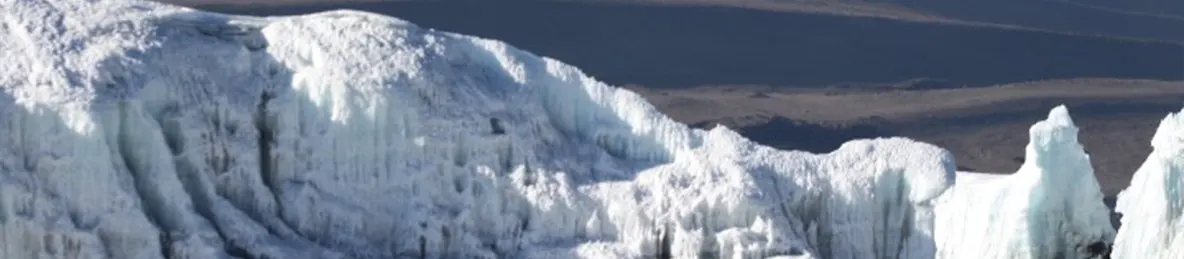
6 Days Kilimanjaro Climbing Tours

6 days Kilimanjaro climbing tours give travelers more time to reach the summit safely while still keeping the trip short enough for most travel plans. These tours include different routes such as Marangu, Machame, Rongai, and Umbwe, each with its own trail conditions, scenery, and climbing style. Some itineraries focus on better acclimatization, while others attract hikers looking for a steeper or quieter route. Travelers can compare operators, prices, route difficulty, camping style, and group size before choosing a climb. This page brings together different 6-day Kilimanjaro climbing packages so travelers can find the route and experience that fits their schedule, fitness level, and travel budget.

40 Tours Available
climb
BURIGI CHATO SAFARIS CO LTD
7 Reviews

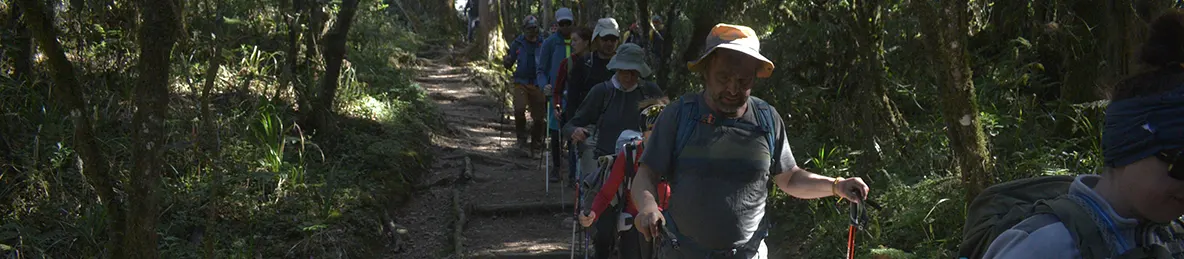
6 Days Peak Performance Kilimanjaro Climbing via Marangu

6 Days
Tanzania

Starting from

$1,383
Details
climb
BURIGI CHATO SAFARIS CO LTD
7 Reviews

6 Days Kilimanjaro Hiking Majesty on Machame Route

6 Days
Tanzania

Starting from

$1,395
Details
climb
BURIGI CHATO SAFARIS CO LTD
7 Reviews

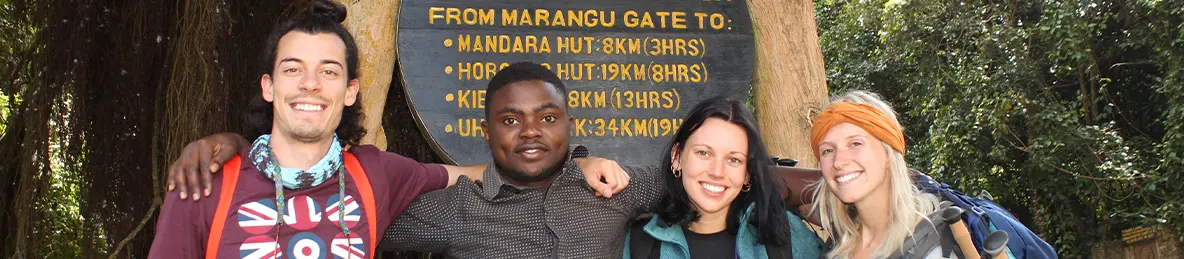
6 Days Summit Symphony to Kilimanjaro Climbing on Marangu

6 Days
Tanzania

Starting from

$1,375
Details
climb
BURIGI CHATO SAFARIS CO LTD
7 Reviews

6 Days Kilimanjaro Hiking Tour via Marangu Route

6 Days
Tanzania

Starting from

$1,384
Details
climb
BURIGI CHATO SAFARIS CO LTD
7 Reviews

6 Days Track to the Top Kilimanjaro Hiking on Machame Route

6 Days
Tanzania

Starting from

$1,393
Details
climb
BURIGI CHATO SAFARIS CO LTD
7 Reviews

6 Days Machame Marvel Trip of Kilimanjaro Hiking

6 Days
Tanzania

Starting from

$1,398
Details
climb
BURIGI CHATO SAFARIS CO LTD
7 Reviews

6 Days Kilimanjaro Hiking Tour on Machame Route

6 Days
Tanzania

Starting from

$1,396
Details
climb
BURIGI CHATO SAFARIS CO LTD
7 Reviews

6 Days Tanzania Kilimanjaro Hiking Tour via Marangu Route

6 Days
Tanzania

Starting from

$1,378
Details
climb
BURIGI CHATO SAFARIS CO LTD
7 Reviews

6 Days Express Ascent Trip of Kilimanjaro Hiking Majesty on Machame Route

6 Days
Tanzania

Starting from

$1,367
Details
climb
BURIGI CHATO SAFARIS CO LTD
7 Reviews

6 Days Kilimanjaro Climbing Adventure on Marangu

6 Days
Tanzania

Starting from

$1,382
Details
climb
BURIGI CHATO SAFARIS CO LTD
6 Reviews

6 Days Kilimanjaro Hiking Adventure via Machame Route

6 Days
Tanzania

Starting from

$1,390
Details
climb
BURIGI CHATO SAFARIS CO LTD
6 Reviews

6 Days Summit Kilimanjaro Hiking via Machame Route

6 Days
Tanzania

Starting from

$1,394
Details
climb
BURIGI CHATO SAFARIS CO LTD
6 Reviews

6 Days Kilimanjaro Climbing Adventure on Marangu

6 Days
Tanzania

Starting from

$1,378
Details
climb
BURIGI CHATO SAFARIS CO LTD
6 Reviews

6 Days Ascent Glory Kilimanjaro Trekking on Rongai Route

6 Days
Tanzania

Starting from

$1,469
Details
climb
BURIGI CHATO SAFARIS CO LTD
6 Reviews

6 Days Kilimanjaro Climbing Triumph Through Marangu

6 Days
Tanzania

Starting from

$1,377
Details
climb
BURIGI CHATO SAFARIS CO LTD
5 Reviews

6 Days Peak Pursuit Kilimanjaro via Marangu Route

6 Days
Tanzania

Starting from

$1,374

Details
climb
BURIGI CHATO SAFARIS CO LTD
5 Reviews

6 Days Rongai Radiance Kilimanjaro Trekking Adventure

6 Days
Tanzania

Starting from

$1,465
Details
climb
BURIGI CHATO SAFARIS CO LTD
5 Reviews

6 Days The Kilimanjaro Rongai Trekking Route

6 Days
Tanzania

Starting from

$1,468
Details
climb
BURIGI CHATO SAFARIS CO LTD
0 Reviews

6 Days Kilimanjaro Climbing Tour via Marangu Route

6 Days
Tanzania

Starting from

$1,373
Details
climb
BURIGI CHATO SAFARIS CO LTD
0 Reviews

6 Days Lemosho Route Kilimanjaro Climbing Tour

6 Days
Tanzania

Starting from

$0
Details
12

Why Many Travelers Choose 6 Days Kilimanjaro Climbing Tours

A 6-day climb gives hikers a better balance between time and acclimatization. Many travelers see it as the middle option between shorter summit attempts and longer mountain expeditions. The extra day can improve comfort during the climb and increase summit success rates.

Altitude affects every climber differently. Some people feel strong at the beginning but struggle near the summit. Adding another day allows the body to adjust more slowly. That matters on Kilimanjaro because the summit stands at 5,895 meters above sea level.

Travelers also choose six-day itineraries because they fit easily into safari and beach holiday plans. Many visitors combine Kilimanjaro with wildlife safaris or Zanzibar after the trek. A six-day schedule leaves room for both without rushing the trip.

Most routes on Kilimanjaro do not require technical climbing skills. Travelers do not need ropes or mountaineering experience. Still, the mountain remains physically demanding. Long hiking days, cold weather, and high altitude test both fitness and mental focus.

Guides often say Kilimanjaro is more about endurance than speed. Slow walking helps the body adapt. On the mountain, climbers hear the phrase “pole pole” many times. In Swahili, it means “slowly slowly.”

Popular Routes Included in 6-Day Packages

Machame Route

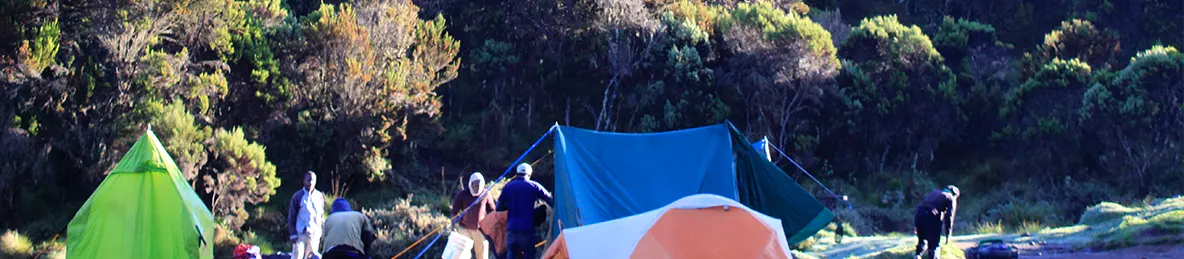
The Machame Route is one of the most booked options on Kilimanjaro. Many hikers choose it because of its scenery and better acclimatization profile. The trail passes through rainforest, moorland, rocky ridges, and alpine desert before reaching the summit.

Machame uses camping accommodation during the trek. Porters carry tents, food, cooking supplies, and climbing equipment between camps. Many travelers enjoy the camping atmosphere because it feels more adventurous than staying in a hut.

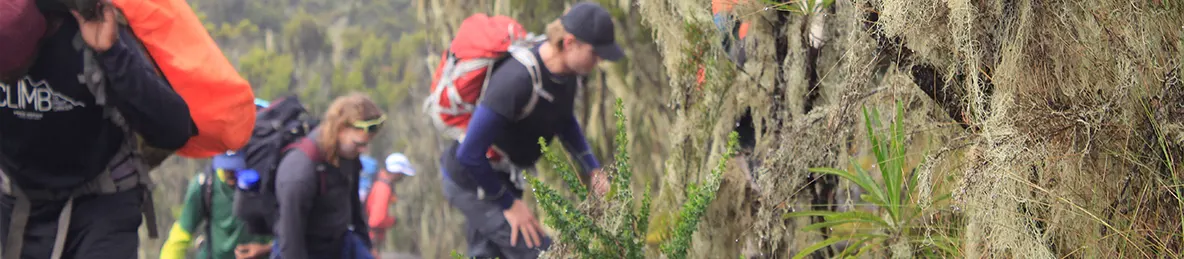
The route becomes steeper in some sections, especially near Barranco Wall. Despite the name, the wall does not require technical climbing. Most hikers reach the top slowly with the support of a guide.

Six-day Machame climbs move faster than seven-day versions, but they still give more acclimatization time than shorter itineraries.

Marangu Route

Marangu is the only main route with mountain huts instead of tents. This makes it popular among travelers who want simple indoor accommodation during the climb.

The trail follows a direct path to the summit and uses the same route for ascent and descent. Hikers sleep in shared huts with basic facilities along the way.

Many first-time climbers choose Marangu because the trail itself feels less rugged than some other routes. However, altitude still creates challenges, especially on summit night.

The extra day in a six-day Marangu itinerary often includes an acclimatization day. That improves summit success compared to the shorter five-day option.

Rongai Route

The Rongai Route approaches Kilimanjaro from the northern side near the Kenya border. This side of the mountain receives less rain, so the trails often stay drier during the year.

Rongai attracts travelers who want quieter trails and wide open views. The route feels more remote compared to Machame and Marangu.

The climb starts gradually through forest and open landscapes before reaching the alpine desert near the summit zone. Wildlife sightings sometimes happen in the lower sections.

Many climbers choose Rongai during rainy months because weather conditions can remain more stable on the northern side.

Umbwe Route

Umbwe is known as one of the steepest routes on Kilimanjaro. It attracts experienced hikers who want a more demanding climb.

The route climbs quickly through dense forest before joining the southern circuit of the mountain. The trail feels more direct and physically challenging from the beginning.

Because of the rapid ascent, Umbwe has lower acclimatization advantages compared to some other routes. Good fitness becomes very important.

Travelers who choose Umbwe usually want a tougher mountain experience with fewer crowds.

What the Climb Feels Like Day by Day

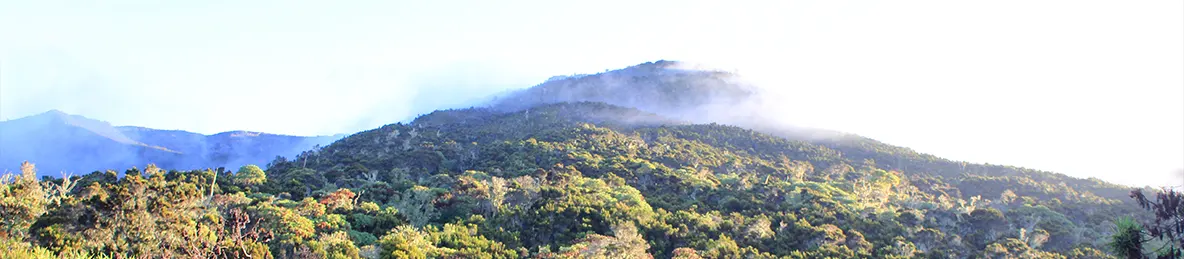
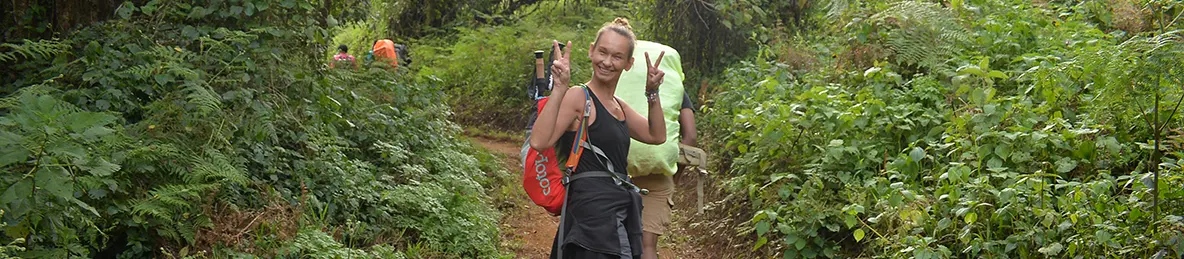
The first day usually starts in the rainforest zone. This lower area feels warm and humid. Hikers walk through thick trees, muddy paths, and green vegetation. Monkeys and birds sometimes appear along the trail.

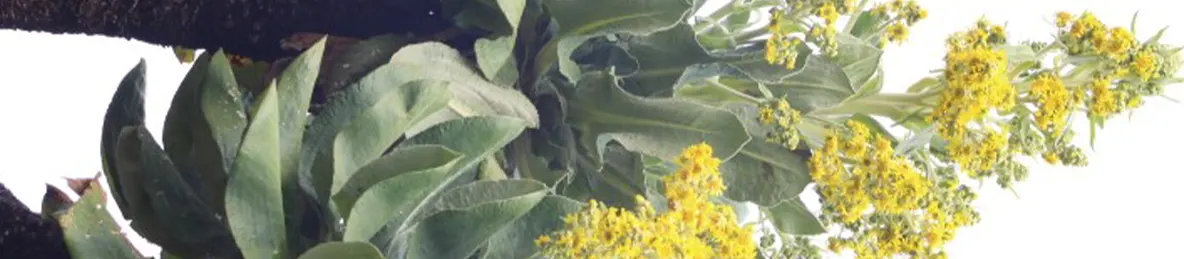
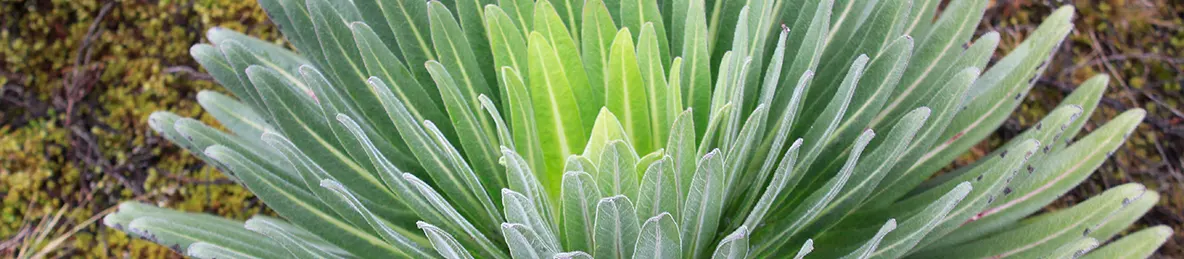
As climbers move higher, the landscape changes fast. Trees become smaller. Open moorland replaces dense forest. Giant groundsels and unusual mountain plants begin to appear.

By the middle of the trek, the environment becomes rocky and dry. The alpine desert zone feels colder during the night and hotter under direct sun during the day.

Summit night is the hardest part of the climb. Most groups wake up around midnight and begin hiking in the darkness. Temperatures often fall below freezing.

Climbers move slowly uphill for several hours. Headlamps light the trail while guides monitor pace and safety. Breathing feels harder because oxygen levels drop near the summit.

Many hikers reach Uhuru Peak shortly after sunrise. The view above the clouds becomes one of the most memorable moments of the trip.

After the summit, climbers descend back to lower camps for rest before leaving the mountain the following day.

Preparing for a Better Summit Experience

Preparation helps more than most people expect. Kilimanjaro does not require technical climbing skills, but fitness still matters.

Travelers should prepare with regular walking, hiking, jogging, or stair climbing before the trip. Long walks with a backpack also help the body adjust to repeated movement over many hours.

Good hiking boots matter. Cheap or poorly fitted shoes can cause blisters early in the climb. Waterproof layers also become important because the weather changes quickly on the mountain.

Most climbers use layered clothing instead of one heavy jacket. This makes it easier to adjust to changing temperatures throughout the day.

  • Waterproof hiking boots
  • Warm thermal clothing
  • Rain jacket and rain pants
  • Headlamp with extra batteries
  • Warm gloves and a hat
  • Sleeping bag for cold temperatures
  • Sunscreen and sunglasses
  • Reusable water bottles or hydration pack

Hydration plays a major role during the climb. Guides encourage hikers to drink water regularly, even when they do not feel thirsty.

Food also supports recovery. Mountain cooks prepare meals like soup, rice, pasta, eggs, vegetables, and fruit during the trek. Eating enough helps the body handle altitude and long hiking days.

Understanding Altitude on Kilimanjaro

Altitude sickness is the biggest challenge on the mountain. It can affect strong hikers and beginners equally.

Common symptoms include headaches, nausea, dizziness, and poor sleep. Some climbers only feel mild discomfort. Others need to descend.

The extra acclimatization time on six-day climbs improves summit chances compared to shorter itineraries. Guides monitor hikers closely during the trek and check how everyone feels each day.

Good operators carry oxygen cylinders, first aid equipment, and emergency communication devices. Safety should always matter more than reaching the summit.

Group Climbs and Private Climbs

Travelers can choose between group departures and private tours.

Group climbs cost less because travelers share mountain crews and transport. They also create a social environment on the trail. Many climbers enjoy meeting people from different countries during the trek.

Private climbs allow more flexibility. Travelers can choose their own pace, travel dates, and support level. Families and couples often prefer this option.

Some operators also offer upgraded services with larger tents, private toilets, and extra comfort at camps.

How Local Crews Support the Climb

Mountain crews play a huge role in every Kilimanjaro expedition. Guides, cooks, and porters support climbers from the first day to the final descent.

Porters carry camping equipment, food supplies, water, and luggage between camps. Cooks prepare meals daily in difficult mountain conditions.

Lead guides manage safety, pace, and altitude monitoring throughout the trek. Assistant guides help support climbers during difficult sections.

Many crews come from local communities around Kilimanjaro. Responsible tourism helps support jobs and families across the region.

Travelers should book with companies that treat crews fairly and follow ethical porter standards.

Weather Conditions During the Climb

Kilimanjaro can be climbed throughout the year, but weather conditions change by season.

January to March usually brings cooler temperatures and clearer summit views. June to October is the busiest climbing period because trails remain drier.

Rainy months can make trails muddy and slippery, especially in the rainforest sections.

Even during dry seasons, summit temperatures remain very cold. Climbers should prepare for freezing conditions near Uhuru Peak.

Choosing the Right Operator

Choosing the right operator affects safety, comfort, and overall trip quality.

Experienced operators provide trained guides, proper camping equipment, emergency support, and realistic advice before the climb.

Travelers should look for companies with:

  • Licensed mountain guides
  • Strong safety procedures
  • Clear package details
  • Positive recent reviews
  • Fair treatment of porters
  • Reliable communication before arrival

Very cheap climbs sometimes reduce service quality or staff support. Reading recent traveler reviews helps reveal how operators actually perform on the mountain.

Combining Kilimanjaro With Other Tanzania Trips

Many travelers continue their trip after the climb.

Some head to national parks like Serengeti, Tarangire, or Ngorongoro for wildlife safaris. Others travel to Zanzibar for beach holidays and rest after the mountain.

A six-day itinerary works well because it leaves enough time to combine multiple experiences in Tanzania without making the schedule feel rushed.

Final Thoughts

6-day tours for climbing Kilimanjaro give travelers a strong balance between challenge, acclimatization, and travel flexibility. Different routes offer different experiences, from the scenic Machame trail to the quieter Rongai approach and the steep Umbwe climb. Some travelers prefer hut accommodation on Marangu, while others enjoy camping under the mountain sky. Comparing operators, route difficulty, group style, and support level helps travelers choose the right experience before booking. With proper preparation, realistic expectations, and a trusted mountain crew, a six-day climb can become one of the most rewarding adventures in Tanzania.

Ready to plan your trip?

Contact our experts for free travel advice and planning.

Request Help