Why Choose the 6-Day Marangu Route Kilimanjaro Climbing Packages
The 6-day Marangu Route Kilimanjaro Climbing Packages appeal to climbers who want a direct summit approach with the comfort of hut-based accommodation. Unlike other routes that rely on camping, Marangu provides shared mountain huts at designated camps, offering a more structured and sheltered experience during the climb. This setup reduces exposure to harsh weather conditions at night and creates a more predictable resting environment.
The route is often considered the most straightforward path to Kilimanjaro’s summit in terms of trail navigation. It follows a consistent up-and-down path rather than circuit-style trekking, which makes it easier to follow but more physically demanding on the return journey. Because of its direct nature, pacing becomes extremely important throughout the climb.
Another defining feature is the sense of progression through clearly marked stages. Each hut marks a specific elevation point, giving climbers a clear understanding of altitude gain day by day. This structured layout helps many first-time high-altitude trekkers mentally track their progress.
The 6-day version of this route also improves acclimatization compared to shorter variations. The extra day gives the body more time to adjust to thinner air, increasing the chances of a successful summit attempt compared to faster ascents.
What to Expect on the 6-Day Marangu Route
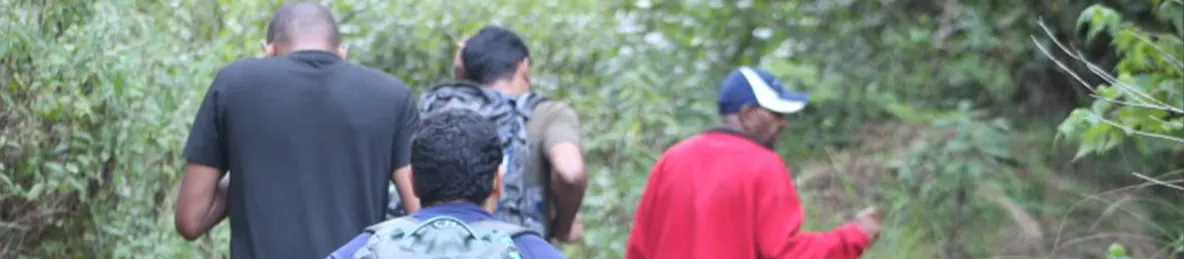
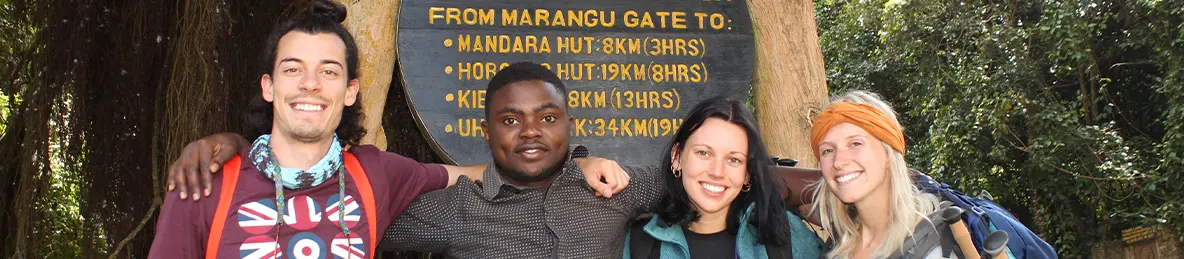
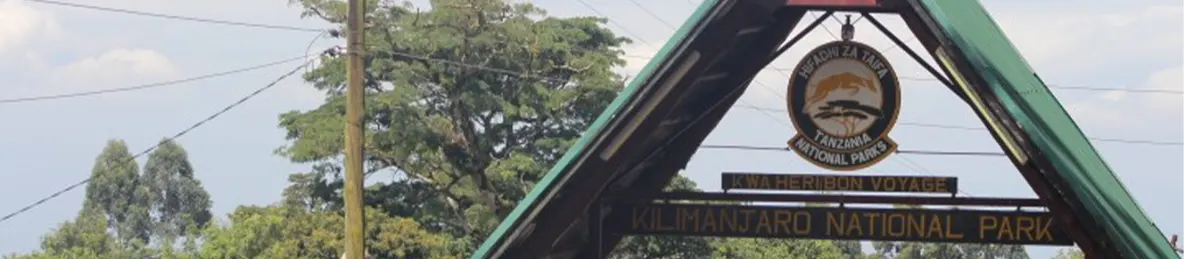
Climbing through the 6-day Marangu Route Kilimanjaro Climbing Packages follows a predictable but physically engaging rhythm. The journey begins at Marangu Gate, where climbers pass through dense rainforest filled with towering trees, moisture-rich air, and frequent wildlife sightings such as monkeys and exotic birds.
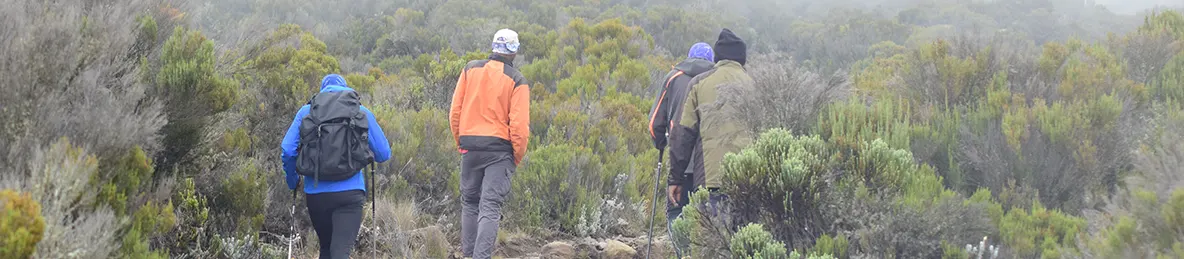
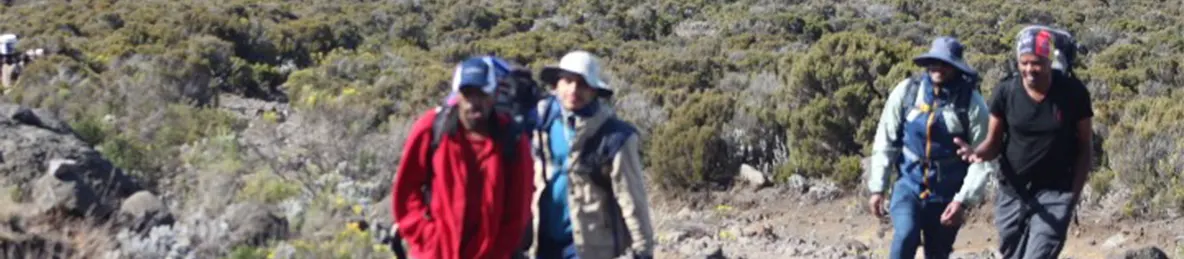
As altitude increases, the environment gradually shifts into heath and moorland. Vegetation becomes sparse, temperatures drop, and views open up across the mountain slopes. This section introduces longer walking distances and a more exposed landscape compared to the lower forest zone.
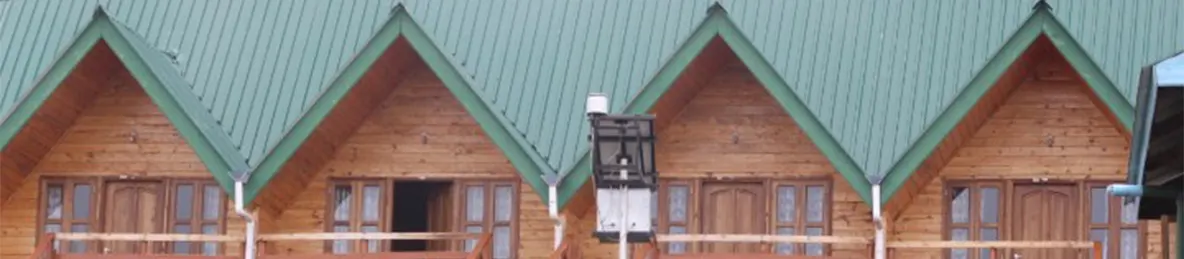
The hut system defines the structure of the entire route. Each night is spent in designated huts such as Mandara, Horombo, and Kibo. These shelters provide basic sleeping arrangements, dining areas, and protection from weather conditions, creating a more organized rest environment compared to tented climbs.
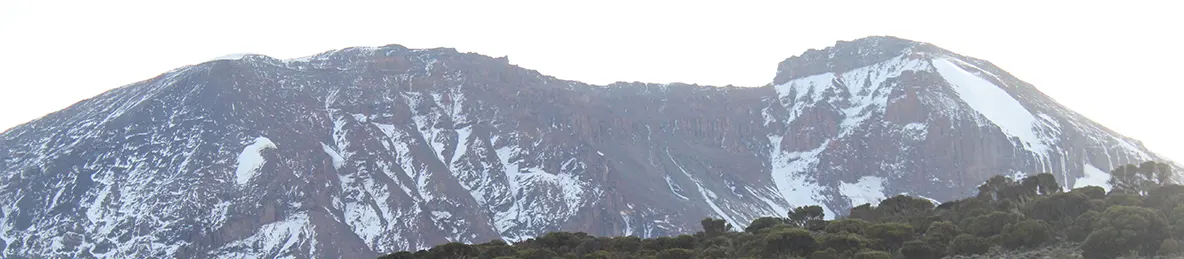
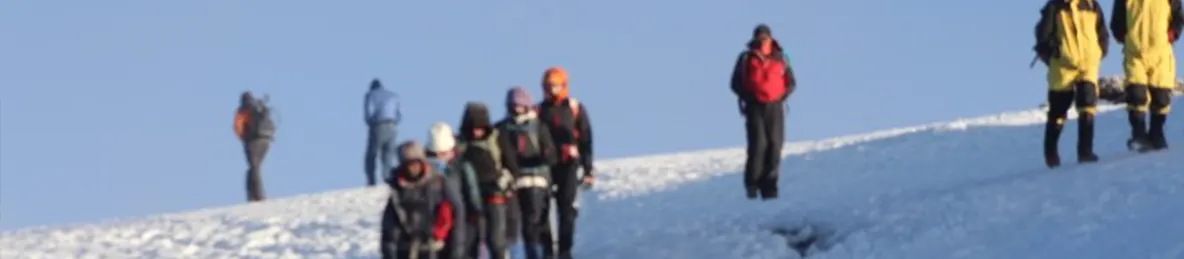
Summit night is the most demanding stage of the entire trek. Climbers begin their final ascent before midnight, moving slowly through steep volcanic terrain toward Gilman’s Point and finally Uhuru Peak. The combination of cold temperatures, altitude, and darkness makes this section physically and mentally challenging, but also the most rewarding.
Understanding the Marangu Route Experience
The Marangu Route offers a distinct climbing style compared to other Kilimanjaro paths. The 6-day Marangu Route Kilimanjaro Climbing Packages follow a more direct trail with a return descent along the same path, which creates a familiar but demanding trekking rhythm.
One of the most noticeable aspects is the hut-based accommodation system. Unlike camping routes, climbers sleep in shared dormitory-style huts equipped with basic mattresses and communal spaces. This reduces the need for carrying camping gear and provides a more stable resting environment after long hiking days.
The trail itself is well-defined and maintained, making navigation straightforward. However, this does not reduce the physical challenge. The combination of steady elevation gain and limited variation in terrain means climbers must maintain consistent endurance throughout the journey.
The experience also feels more social due to shared hut environments. Climbers often meet others from different groups, creating a sense of community at each stop. This can make evenings more interactive compared to isolated camping routes.
How to Choose the Right Marangu Route Package
Selecting from the available 6-day Marangu Route Kilimanjaro Climbing Packages requires attention to support services, guide experience, and group structure. While the route itself remains the same, the quality of service can significantly influence the overall experience.
Start by evaluating guiding standards. Experienced guides are essential for managing altitude progression, monitoring climber health, and setting a sustainable pace. Their ability to interpret early signs of altitude stress plays a key role in summit success.
Accommodation conditions also matter. Although huts are standard on this route, cleanliness, organization, and crowd management vary depending on the operator. Choosing a well-managed service improves comfort during rest periods.
Group size influences pacing and overall experience. Smaller groups often allow for more personalized attention, while larger groups may move at a slower collective pace. Matching group style to your preference helps maintain comfort throughout the climb.
Finally, review the itinerary pacing. A properly structured 6-day plan should include gradual altitude gain, sufficient rest time, and a realistic summit schedule that prioritizes safety over speed.
Weather and Altitude Conditions on the Marangu Route
Conditions encountered during the 6-day Marangu Route Kilimanjaro Climbing Packages change significantly with elevation. The lower rainforest section is warm, humid, and often wet, requiring waterproof clothing and careful footing on muddy trails.
As climbers move higher, temperatures drop, and humidity decreases. The moorland zone introduces cooler air, stronger winds, and more open terrain. Nights become noticeably colder, especially at higher hut locations.
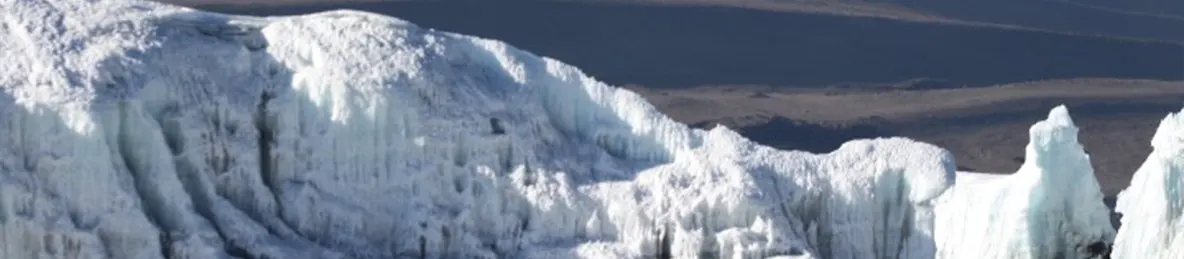
Above the upper camps, conditions become harsh and alpine in nature. The air is thinner, temperatures fall below freezing, and the landscape becomes rocky and exposed. These changes require slow movement and careful energy management.
Altitude remains the most significant factor affecting performance. Climbers must maintain a steady pace, stay hydrated, and allow time for acclimatization to reduce the risk of altitude-related illness.
Preparing for the Marangu Route Climb
Preparation for the Marangu Route should focus on endurance, temperature management, and altitude readiness. Physical training should include long-distance walking, stair climbing, and general cardio conditioning to build stamina.
Packing should prioritize layered clothing suitable for changing climates. Waterproof outer layers, thermal wear, trekking boots, gloves, and a warm hat are essential for summit night conditions. A sleeping bag suitable for low temperatures is also important despite hut accommodation.
Mental preparation is equally important. The climb involves long hiking days, early starts, and limited comfort at higher altitudes. Maintaining a steady mindset and focusing on gradual progress helps manage fatigue.
Hydration and nutrition support overall performance. Regular water intake and balanced meals provided during the climb help maintain energy levels and support acclimatization.
Common Questions About Marangu Route Kilimanjaro Climbs
- Is the Marangu Route easier than other Kilimanjaro routes?
It is often considered more straightforward in navigation, but the physical challenge remains high due to steady elevation gain.
- What makes this route different from others?
It uses hut accommodation instead of camping, offering more structured sleeping arrangements.
- Is 6 days enough for the Marangu Route?
Yes, the 6-day version improves acclimatization and increases summit success compared to shorter options.
- Do I need prior trekking experience?
No technical experience is required, but strong physical fitness is recommended.
Planning Your Marangu Route Climb with Confidence
The available 6-day Marangu Route Kilimanjaro Climbing Packages provide a structured and accessible way to attempt Africa’s highest peak while benefiting from hut-based accommodation. Each itinerary follows the same core route but differs in pacing and service quality.
Choosing the right package ensures a safer, more comfortable, and better-paced ascent. With proper preparation and reliable support, the Marangu Route offers a direct and memorable path to the summit of Mount Kilimanjaro.