Why 5-Day Tanzania Safaris Remain One of the Most Popular Choices
Five days give enough time to experience Tanzania’s northern safari circuit properly without spending too many hours on the road every day. Many travelers want to visit Serengeti National Park and Ngorongoro Crater in one trip, and this duration allows that combination comfortably.
Most first-time visitors choose a 5-day safari because it balances wildlife viewing, travel time, and accommodation costs well. Shorter safaris often feel rushed, especially when including the Serengeti. Longer itineraries provide more flexibility, but five days still covers the main highlights efficiently.
Driving distances matter more than many travelers expect. The drive from Arusha to Tarangire usually takes around 2 to 3 hours, while reaching central Serengeti from the Ngorongoro area often takes between 5 and 7 hours, depending on road conditions and wildlife stops.
Well-planned itineraries reduce unnecessary backtracking and allow more time for game drives. That directly affects the overall safari experience.
Another reason these safaris sell well is flexibility. Travelers can choose budget camping safaris, mid-range lodge safaris, or luxury fly-in experiences depending on travel style and budget.
What Parks Are Usually Included in 5-Day Safari Tours in Tanzania
Serengeti National ParkThe
Serengeti is the main reason many travelers visit Tanzania. The park covers around 14,750 square kilometers and supports one of the largest wildlife ecosystems in Africa.
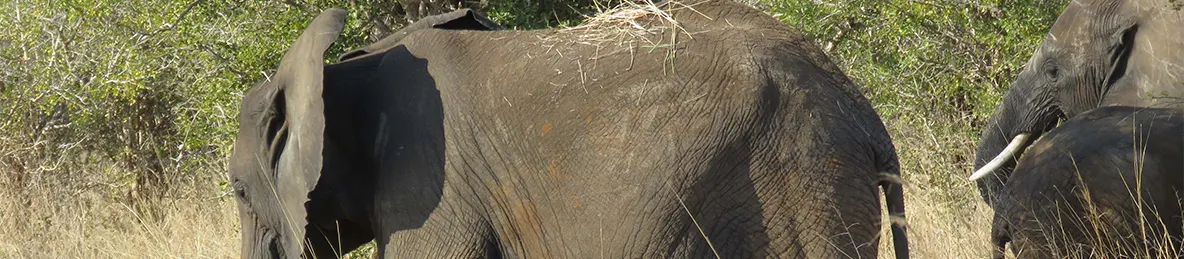
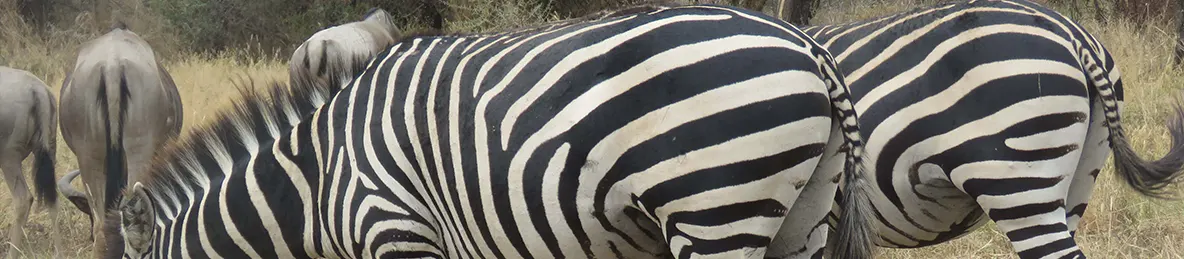
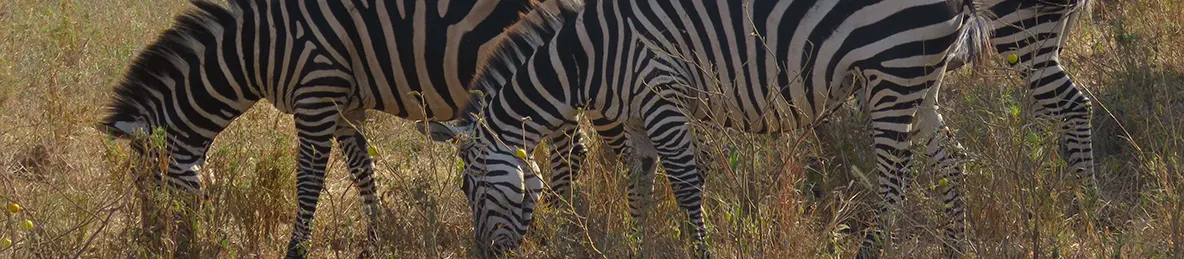
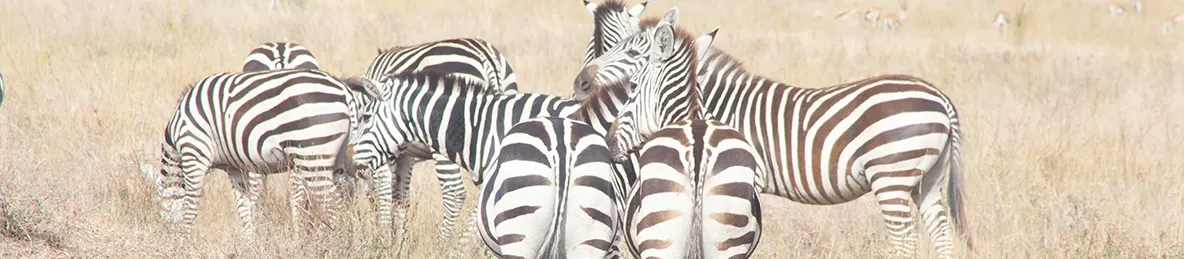
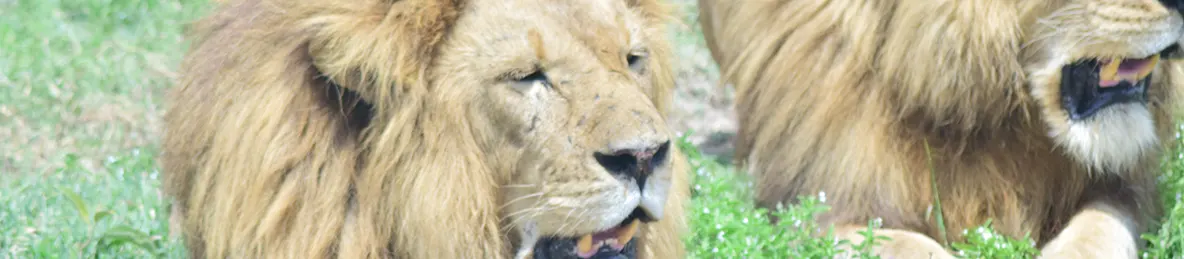
The landscape changes between open plains, rocky kopjes, river systems, and woodland areas. Wildlife sightings often include lions, elephants, giraffes, zebras, hyenas, cheetahs, and large wildebeest herds.
The Great Migration also moves through different parts of the Serengeti during the year. Around 1.5 million wildebeest, together with zebras and gazelles, move across the ecosystem following rainfall and fresh grazing areas.
Central Serengeti remains one of the best year-round wildlife areas because predator activity stays strong across most seasons.
Many 5-day Tanzania safari tours spend at least 2 nights inside the Serengeti because the park is large and wildlife movements constantly change.
Ngorongoro Crater
Ngorongoro Crater offers a very different safari experience compared to Serengeti. The crater floor covers around 260 square kilometers and supports a high concentration of wildlife within a relatively small area.
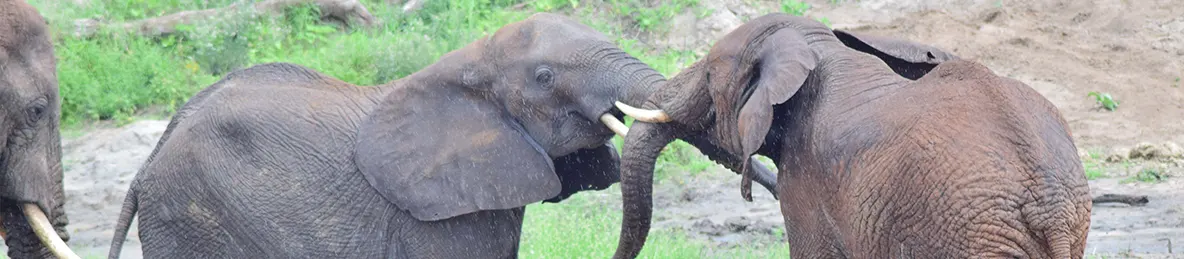
Many travelers choose Ngorongoro because wildlife viewing can be excellent within a single game drive. Lions, buffaloes, elephants, zebras, hippos, hyenas, and flamingos are commonly seen during crater safaris.
The crater is also one of the better places in northern Tanzania to possibly spot black rhinos, although sightings are never guaranteed.
Most safaris enter the crater early in the morning because wildlife activity is stronger during cooler hours.
Ngorongoro also works well logistically on 5-day itineraries because it connects naturally between Serengeti and Arusha.
Tarangire National Park
Tarangire often becomes one of the biggest surprises for first-time safari travelers.
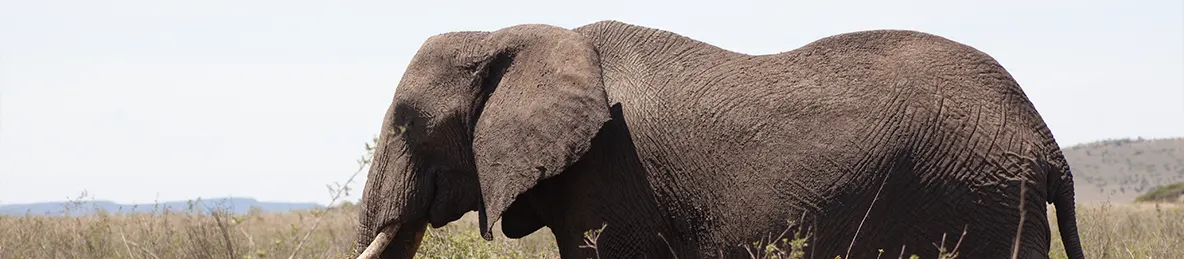
The park is known for large elephant populations, ancient baobab trees, and seasonal wildlife movement around the Tarangire River. During the dry season, many animals gather near water sources, which improves wildlife viewing.
Tarangire supports more than 500 recorded bird species and regularly attracts elephants, giraffes, wildebeest, zebras, lions, and antelope species.
Because Tarangire sits closer to Arusha than Serengeti, many itineraries begin or end there.
How a Typical 5-Day Tanzania Safari Itinerary Works
Most safaris start from Arusha, the main safari gateway city in northern Tanzania.
Day one usually includes Tarangire National Park or direct travel toward Serengeti, depending on the itinerary structure.
Many itineraries then spend two or three nights in Serengeti because wildlife viewing improves when travelers have enough time for morning and afternoon game drives.
The final section of the safari usually includes Ngorongoro Crater before returning to Arusha.
A realistic safari structure matters. Travelers who try to include too many parks in five days often spend more time driving than watching wildlife.
Good operators build itineraries around wildlife movement, road conditions, and travel fatigue instead of simply adding more park names.
Wildlife You Can Expect During a 5-Day Safari
Wildlife sightings always vary because safaris happen in natural environments, not zoos. Still, northern Tanzania offers some of the strongest wildlife densities in Africa.
During a standard 5-day safari, travelers commonly see:
- Lions
- Elephants
- Buffaloes
- Giraffes
- Zebras
- Wildebeest
- Hippos
- Hyenas
- Crocodiles
- Various antelope species
Cheetahs and leopards are also possible, especially in Serengeti, but sightings depend on timing and luck.
Birdlife is another major highlight. Northern Tanzania supports hundreds of species across different ecosystems.
The Best Time for 5-Day Safaris in Tanzania
Tanzania offers year-round safari opportunities, but wildlife conditions change throughout the year.
June to October is the main dry season. Vegetation becomes thinner, and animals gather near rivers and water sources. Wildlife viewing usually becomes easier during these months.
December to March often brings excellent conditions in the southern Serengeti during the calving season. Predator activity increases because thousands of wildebeest calves are born during this period.
April and May are wetter months. Some lodges close temporarily because of heavy rain and road conditions.
The best safari season also depends on what travelers want to see. River crossings, predator action, green landscapes, and birdlife all peak at different times of the year.
Choosing Between Budget, Mid-Range, and Luxury Safaris
Most 5-day safaris fall into three categories.
Budget Safaris
Budget safaris usually use camping accommodation and shared safari vehicles. These tours cost less and work well for younger travelers, backpackers, and budget-conscious groups.
Despite the lower price, wildlife viewing itself can still be excellent because guests visit the same parks.
Mid-Range Safaris
Mid-range safaris are the most booked option for many international travelers.
These tours usually include lodge accommodation, private bathrooms, proper beds, and more comfortable dining facilities.
Most travelers choose mid-range safaris because they balance comfort and price well.
Luxury Safaris
Luxury safaris focus on premium lodges, high-end tented camps, private guides, and upgraded safari experiences.
Some luxury camps limit guest numbers and place strong emphasis on privacy, conservation, and personalized service.
Fly-in safaris have also become more common in luxury packages because they reduce long driving hours between parks.
Why the Safari Guide Matters More Than Many Travelers Realize
A good safari guide can completely change the experience.
Experienced guides understand animal behavior, seasonal wildlife movement, road networks, and radio communication systems used between guides.
Many sightings happen because guides know where predators rested earlier in the day or where migration herds moved recently.
Good guides also manage timing carefully. Early morning game drives usually produce stronger wildlife activity because temperatures remain cooler.
Guide quality often matters more than vehicle type or lodge category because knowledge and timing directly affect wildlife sightings.
Accommodation Options During the Safari
Accommodation styles vary depending on budget and safari type.
Budget camping safaris use public campsites inside or near the parks. Operators provide tents, mattresses, cooking equipment, and camping staff.
Mid-range safaris usually stay in lodges or permanent tented camps with private rooms and dining areas.
Luxury safaris use premium camps and lodges positioned in strong wildlife areas. Some camps overlook migration routes or wildlife corridors.
Accommodation location matters because it affects game drive access and travel time inside the parks.
Private Safari vs Group Safari
Private safaris give travelers full control over pacing, wildlife stops, and daily schedules.
Families, couples, photographers, and honeymoon travelers often prefer private safaris for flexibility and privacy.
Group safaris reduce costs because travelers share vehicle expenses and guiding services.
Both options work well depending on budget and travel style.
How Safari Vehicles Affect the Experience
Most northern Tanzania safaris use 4x4 Toyota Land Cruisers with pop-up roofs for wildlife viewing.
These vehicles handle rough roads better during rainy seasons and remote park areas.
Window seats matter on safari because wildlife sightings can happen suddenly on either side of the vehicle.
Many operators also include charging ports, refrigerators, and radio systems inside their safari vehicles.
Things Travelers Should Pack for a Tanzania Safari
- Lightweight neutral-colored clothing
- Warm jacket for early morning drives
- Sunscreen
- Hat and sunglasses
- Binoculars
- Camera with extra batteries
- Comfortable walking shoes
- Reusable water bottle
- Personal medication
Temperatures can change quickly between morning and afternoon game drives, especially near the Ngorongoro Highlands.
Combining Safari With Zanzibar or Kilimanjaro
Many travelers combine a safari with other Tanzania experiences.
Zanzibar remains one of the most popular add-ons because beach holidays work well after several days of game drives.
Others combine safari with Kilimanjaro climbing before or after wildlife tours.
Arusha works as the main connection point for both mountain climbing and safari itineraries.
Why Tanzania Continues to Lead African Safari Tourism
Tanzania offers one of the strongest combinations of wildlife density, national park size, and ecosystem diversity in Africa.
The country includes world-famous destinations like Serengeti, Ngorongoro, Tarangire, Ruaha, and Nyerere National Park.
Large protected areas allow wildlife to move naturally across ecosystems instead of remaining confined to small reserves.
That creates a more authentic safari experience for travelers.
UNESCO-recognized conservation areas, experienced local guides, and strong wildlife protection efforts continue to support Tanzania’s position as one of Africa’s leading safari destinations.
Final Thoughts on 5-Day Tanzania Safari Tours
5 days safari tours in Tanzania remain one of the best options for travelers who want a complete northern circuit safari within a manageable timeframe. Well-designed itineraries combine Serengeti National Park, Ngorongoro Crater, and Tarangire while balancing wildlife viewing and realistic travel times. Travelers can compare private safaris, group tours, lodge safaris, and camping experiences depending on budget and comfort level. The right safari operator, experienced guide, and properly paced itinerary often make the biggest difference in the overall experience. With strong wildlife viewing throughout the year and multiple accommodation styles available, 5-day safaris in Tanzania continue to attract first-time visitors and returning safari travelers from around the world.